















Roku vs. Firestick vs. Chromecast: Which Streaming Ecosystem Wins?
It can be incredibly frustrating to sit down after a long day, ready to watch your favorite show, only to spend ten minutes fighting with a clunky menu, laggy remote, or a home screen cluttered with ads for shows you don't even want to watch.
If you are trying to decide between a Roku, an Amazon Fire TV Stick, or a Google Chromecast (now operating under the Google TV ecosystem), you have probably noticed that the hardware specs are practically identical. At their respective price points, they all offer 4K resolution, HDR, and basic remote functions.
The real choice isn't about the hardware inside the plastic stick; it's about the software ecosystem. Which interface will cause the least friction for your specific viewing habits? Let’s break down the core philosophies of each device so you can make a confident decision and get back to actually watching TV.
The Core Philosophies: App-Centric vs. Content-Centric
To choose the right device, you first need to understand how each company thinks you should find your movies and shows.
Roku: The Champion of Simplicity (Apps First)
Roku takes a strictly agnostic, app-centric approach. When you turn on a Roku, it doesn't try to guess what you want to watch or push its own original content at you. Instead, it presents a simple, grid-style layout of your downloaded apps (which Roku calls "channels").
- The Benefit: It has virtually zero learning curve. You click the Netflix button, you open Netflix. It is widely considered the best choice for users who want straightforward, no-nonsense access, which is why creating a Roku projector setup is often the go-to recommendation for non-tech-savvy family members.
Amazon Fire TV Stick: The Prime Powerhouse (Ecosystem First)
Amazon's Fire OS is built around the Amazon ecosystem. The interface is heavily integrated with Amazon Prime Video, Freevee, and Alexa.
- The Benefit: If you are heavily invested in Prime, this is a seamless experience. It is also highly favored by tech tinkerers, as the Android-based system makes it relatively easy to sideload third-party applications. (If you go this route, be sure to read our guide on how to set up an Amazon Fire Stick on a projector).
- The Catch: The interface is unapologetically ad-heavy and aggressively promotes Amazon-owned or sponsored content over your third-party apps.
Google Chromecast: The Universal Aggregator (Content First)
Modern Chromecasts (powered by Google TV) take a content-first approach. Instead of forcing you to open individual apps like Hulu or Max to see what's playing, Google TV aggregates the content from all your subscriptions onto one unified home screen.
- The Benefit: If you know you want to watch a specific sci-fi movie, you just search for it on the home screen, and Google TV will tell you exactly which of your apps has it available. It relies heavily on AI to learn your viewing habits and recommend shows across all your platforms. (Wondering how this compares to your TV's native interface? Check out our breakdown of Chromecast vs. Smart TVs).
Head-to-Head Comparisons: Everyday Usability
Specs only tell half the story. Here is how these devices compare regarding the friction points you actually experience daily.
User Interface & Ads: Which is the Least Annoying?
- Roku: Features the cleanest, least intrusive interface. While there is a standard ad on the right side of the screen, it rarely interferes with navigation. The trade-off is that the interface looks a bit dated compared to its rivals.
- Firestick: The most cluttered interface. Autoplaying trailers and banner ads dominate the top of the screen, which can be overwhelming if you just want to quickly launch an app.
- Chromecast (Google TV): Strikes a balance. It looks modern and cinematic, but because it pulls high-resolution poster art from every app to recommend content, it can occasionally feel sluggish on older hardware models.
Smart Home Integration: Alexa vs. Google Assistant
If you use your display to control your smart home, your choice is largely predetermined:
- Choose Firestick if your home is wired with Echo Dots, Ring doorbells, and Alexa-compatible lights. You can view your security cameras directly on your screen.
- Choose Chromecast if you use Google Home, Nest cameras, and Google Assistant.
Screen Mirroring and Casting from Your Phone
If you frequently find a video on your phone and want to throw it onto the big screen, Chromecast dominates this category. The built-in Google Cast protocol is widely supported by almost every mobile app (iOS and Android) and works flawlessly. Roku and Firestick rely on clunkier screen mirroring protocols that are far less reliable and often suffer from audio desync.
The Hardware Reality: Are You Bottlenecking Your Stream?
A streaming stick is only as good as the display and network it’s connected to.
4K, Dolby Vision, and Processing Power
While all three brands offer premium models that support true 4K resolution, HDR10+, and Dolby Vision, plugging a powerful stick into a budget display won't magically improve native color accuracy or contrast. Furthermore, budget streaming sticks often use underpowered processors, which leads to the dreaded menu lag when scrolling through heavy interfaces like Google TV or Fire OS.
The Importance of High-Speed Wi-Fi
Streaming high-bitrate 4K HDR content requires a robust, stable internet connection. Many base-model streaming sticks max out at Wi-Fi 5 or Wi-Fi 6. If your router is on the other side of the house, your stick will likely struggle to maintain a high resolution without buffering.
Do You Still Need a Streaming Stick?

Before you spend money trying to fix a laggy TV interface with an external HDMI stick, it is worth asking if you need one at all.
The Rise of Premium Built-In Operating Systems
Historically, the built-in operating systems on TVs and projectors were slow, rarely updated, and lacked app support, forcing users to buy Rokus or Firesticks. Today, that narrative is shifting.
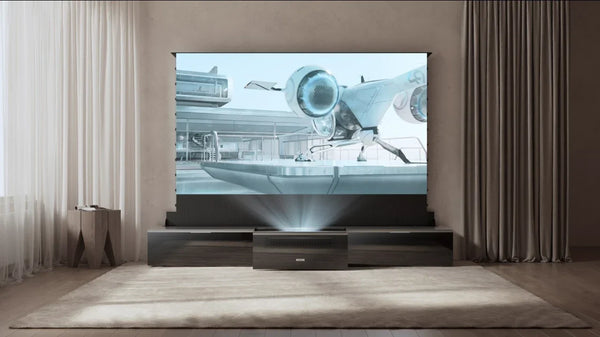
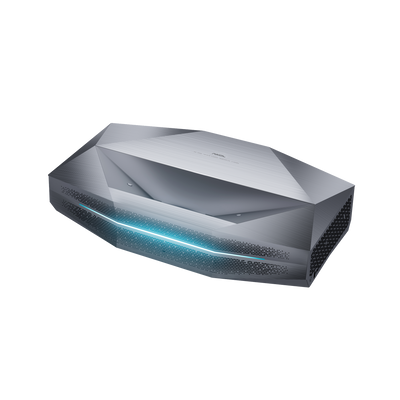
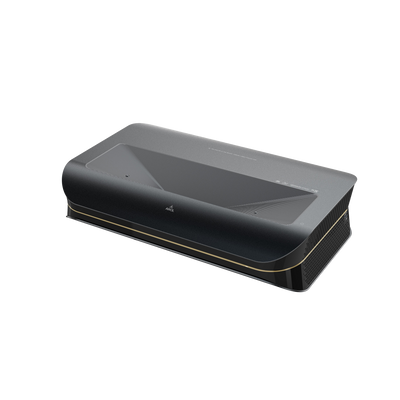
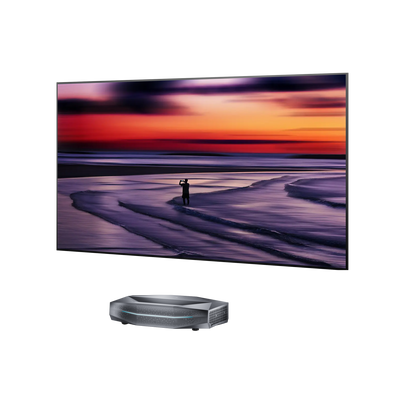
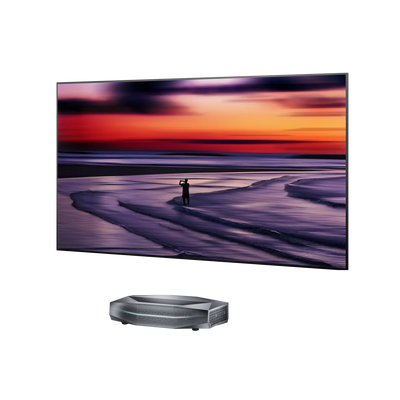
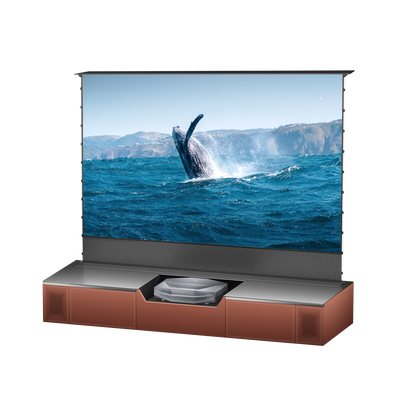
High-end displays and next-generation ultra-short throw (UST) laser projectors are now shipping with flagship processors and native operating systems built directly into the hardware. For example, the AWOL Vision Aetherion utilizes a MediaTek MT9655 chip alongside Wi-Fi 7 to run a fully native Google TV OS. Because the premium processing power and the display are integrated, there is no UI lag, and features like Chromecast and AirPlay 2 are already built-in.
If you are upgrading to a 4K projector or a modern premium display, an external stick may simply add unnecessary cable clutter to a system that already does it better natively.
Final Verdict: Which Device is Right for You?
- Buy Roku if... You value simplicity, neutrality, and a fast, app-grid interface with zero learning curve. It is the best choice for guest rooms or non-tech-savvy users.
- Buy Firestick if... You are heavily invested in the Alexa smart home ecosystem, rely on Amazon Prime, or want an Android-based device that allows for easy app sideloading.
- Buy Chromecast if... You want a modern, AI-driven interface that aggregates your content from multiple subscriptions and allows for seamless casting directly from your smartphone.
- Skip the Stick if... You are upgrading to a premium display with a flagship built-in OS that handles 4K processing, dynamic tone mapping, and high-speed Wi-Fi natively.
FAQ
Is there a monthly fee for Roku, Firestick, or Chromecast?
No. There are no monthly subscription fees to use the devices themselves or their basic operating systems. You only pay for the third-party subscriptions you choose to use on them (such as Netflix, Hulu, or Max).
Which streaming stick is best for older, non-smart TVs?
Any of the three brands will instantly turn an older TV into a smart TV, provided the television has an open HDMI port. The standard Roku Express or base-model Chromecast are usually the most affordable and effective solutions for reviving old 1080p displays.
Can I use a streaming stick on a projector?
Yes, you can plug any HDMI-based streaming stick directly into a projector. However, navigating audio routing and power supply for the stick can sometimes be tricky depending on your home theater setup. For a deeper dive into optimizing this setup, you can read our comprehensive guide on choosing the best streaming stick for your specific needs.
Be the First to Know
Subscribe for special deals, news, and important product information, and get your exclusive $100 discount.
Related Articles
Playing PS4 on a Projector: Setup, Settings, and Better Gaming
7 Basement Home Theater Ideas with a Style of Their Own
Projector Screen Paint: Is It Worth Painting Your Wall?
A Projector in an Apartment: Make Room for the Screen, Not a Theater
Small Man Cave Ideas: 10 Activity-Based Setups for Limited Space