












Can You Use a Projector in Daylight? The Guide to ALR Screens
We’ve all been there. You set up your home theater, excited to watch the big game or a movie on a Sunday afternoon. You fire up the projector, but as soon as you open the curtains, that vibrant image vanishes. Instead of a cinematic experience, you’re left squinting at a washed-out, ghostly blur.
For years, the common wisdom was simple: Projectors belong in the dark.
But technology has evolved. You no longer have to treat your living room like a cave to enjoy a massive screen experience. The secret isn't just buying a brighter projector—it’s choosing the right screen material to fight the physics of light.
Here is your guide to understanding daytime projection and how to reclaim your living room from the glare.
Why Standard Screens Fail in Daylight
To fix the problem, you first have to understand why it happens.
Projectors have a fundamental limitation compared to TVs: Projectors cannot project the color black. They can only project light. To create "black" or dark areas in an image, a projector relies on the absence of light on the screen.
In a pitch-black room, an unlit white screen looks black. But in a sunlit living room, an unlit white screen looks... white.
The "White Wall" Effect
Standard matte white screens are "diffuse" reflectors. This means they take light from every direction—your projector, your windows, your overhead lamps—and scatter it back to your eyes equally. For a deeper dive into why walls and standard screens struggle, read our comparison on Projector Screen vs. Wall.
The Result: The sunlight hits the screen with more intensity than your projector beam, completely overpowering the image contrast.
To watch TV during the day, you don't need a darker room; you need a smarter screen. You can learn more about the physics of screen materials in our guide to Gray vs. White Projector Screens.
What is an Ambient Light Rejecting (ALR) Screen?
The industry solution to this problem is Ambient Light Rejecting (ALR) technology.
Think of a standard screen like a flat mirror that reflects everything. Now, think of an ALR screen like a series of microscopic window blinds.
An ALR screen is engineered with a specialized surface structure that filters light based on where it is coming from. If you are unsure exactly how this technology functions, see our article What is an Ambient Light Rejecting Screen?.
- Acceptance: It captures the light coming from your projector (usually from below for Ultra Short Throw, or the front for Standard Throw) and reflects it directly toward your eyes.
- Rejection: It blocks or absorbs ambient light coming from "washout" angles (like overhead lights or side windows), preventing it from ruining the picture.
ALR vs. CLR

Not all light-rejecting screens are the same. CLR (Ceiling Light Rejecting) is a specific type of ALR designed for Ultra Short Throw projectors to block overhead light. Understanding the difference is critical before buying; check our guide on ALR vs. CLR Screen: Which Do You Need?.
Top Recommendations for Bright Rooms
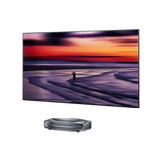
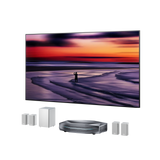
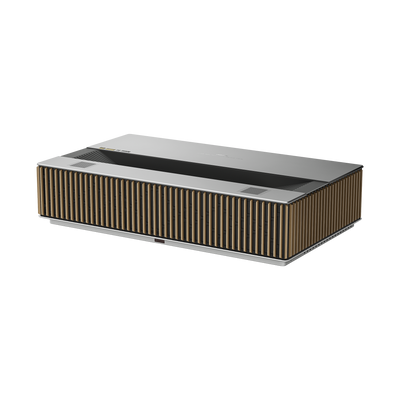
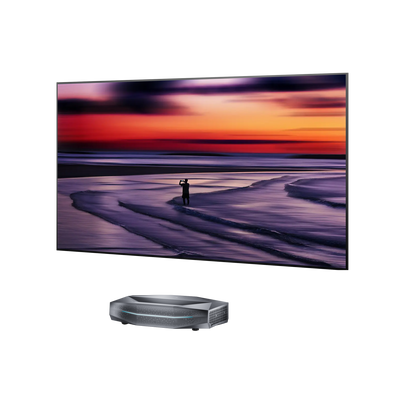
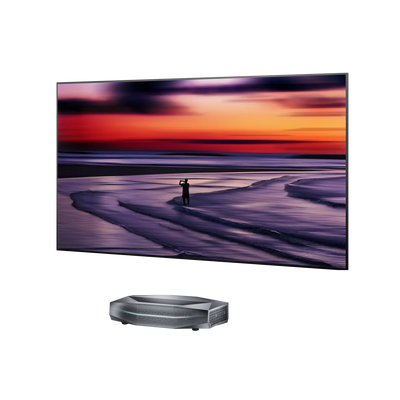
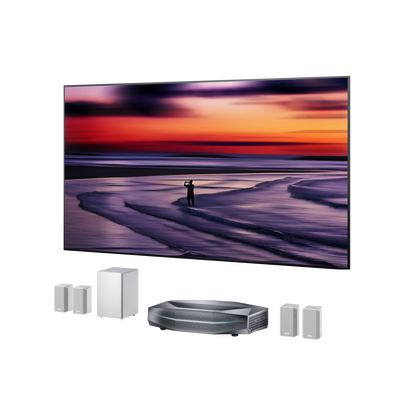
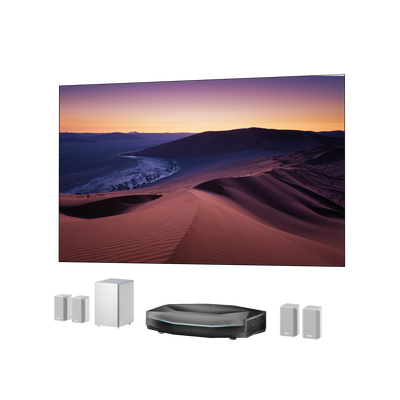
When choosing a screen for daytime viewing, you generally want to pair it with an Ultra Short Throw (UST) projector. This combination offers the strongest resistance to sunlight because the projector sits close to the screen, allowing for more aggressive light-rejecting physics.
Here are the top screen categories to consider based on your lifestyle.
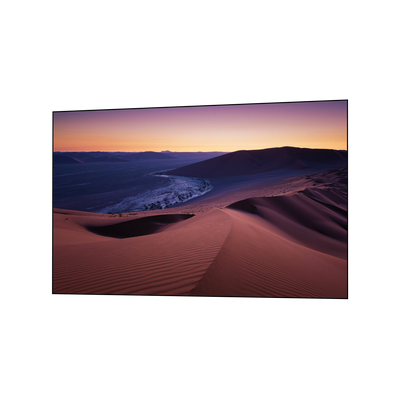
1. Fixed Frame "Daylight" ALR
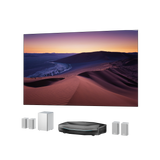
For a dedicated living room setup where the screen effectively replaces your television, a fixed frame specifically tuned for high ambient light is the gold standard.
Why it works: These screens often use a Fresnel Lens structure. Unlike standard lenticular screens, a Fresnel design uses semi-circular structures to concentrate the projector's light and boost brightness significantly. For more on this specific technology, read What is a Fresnel Projector Screen?.
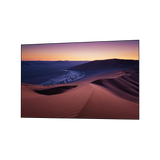
Expert Pick: The AWOL Vision 100-120" ALR Daylight Projector Screen is a prime example of this technology. It features a high gain of 1.1 and rejects 85% of ambient light. This specific combination is engineered to make the image "pop" even when sunlight is streaming through the windows, making it ideal for sports and daytime TV.
2. Motorized Floor Rising Screens

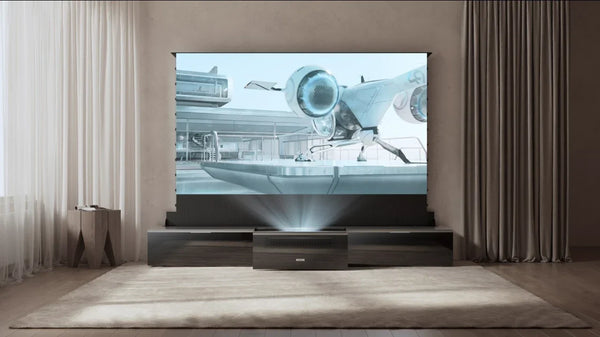
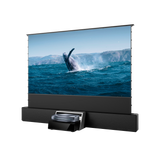
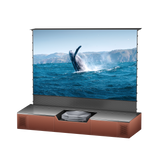
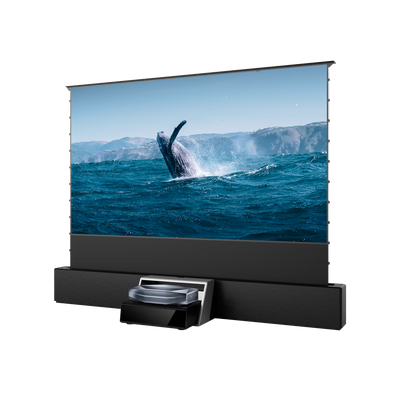
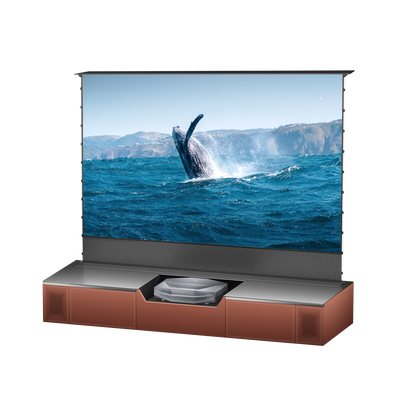
Not everyone wants a massive 100-inch grey rectangle permanently mounted on their wall. If you want a multipurpose room—an open living space by day and a theater by night—a motorized floor-rising screen is the solution.
Why it works: These screens house the delicate ALR material in a sturdy casing on the floor. With the push of a button, the screen rises and stays perfectly tensioned.
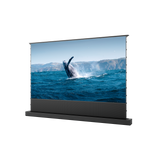
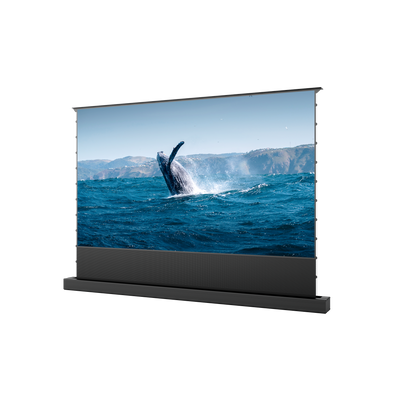
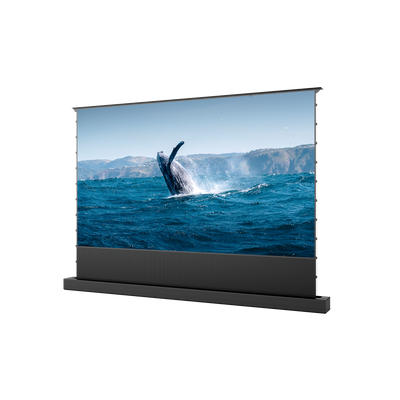
Expert Pick: The AWOL Vision Motorized Floor Rising Screen combines the flexibility of a retractable unit with high-performance ALR material. It allows you to place the projector cabinet in front of a window or artwork, deploying the screen only when you're ready to watch.
3. Cinematic ALR (For Controlled Rooms)
It is important to note that "Daylight" screens are brighter, but "Cinematic" screens often offer deeper blacks. If you have a room where you can close the blinds but just have some ambient lamp light, you might prefer a Cinematic ALR screen.
The Trade-off: A screen like the AWOL Vision ALR Cinematic Screen offers superior contrast and wider viewing angles but is less effective against direct, harsh sunlight than the "Daylight" variant.
Projector Brightness: ISO Lumens Matter
Even the best Daylight ALR screen cannot perform miracles if your projector is dim. The screen and the projector are a partnership.
For successful daytime viewing, you generally need a projector capable of delivering at least 3,000 ISO Lumens.
- Understanding the Unit: You may see different brightness ratings listed on products. It is vital to compare apples to apples. We break down the technical differences in our guide ANSI Lumen vs. Lumen and explain how brightness relates to display standards in Nits vs. Lumens.
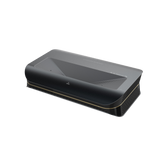
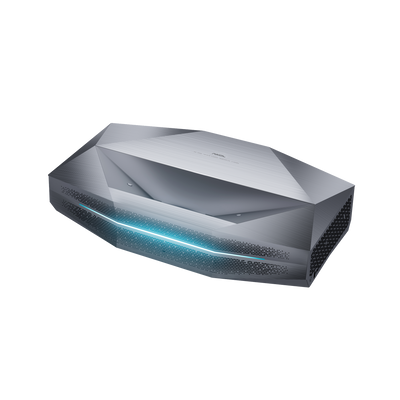
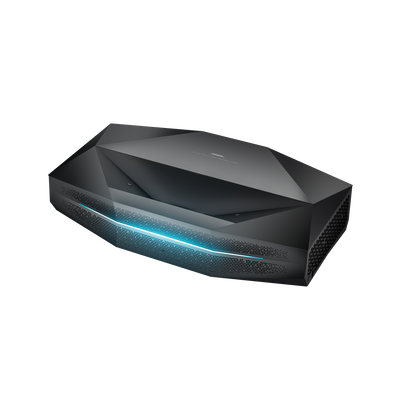
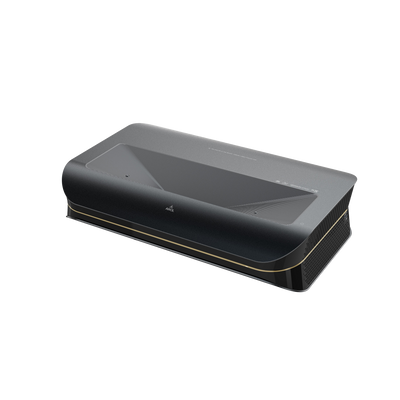
- The Recommendation: A projector like the AWOL LTV-3500 Pro is rated at 3,000 ISO Lumens . This high ISO rating is critical for maintaining color saturation when competing with ambient light. For more details on brightness requirements, see How Many Lumens Does a Projector Need for Daylight?.
3 Quick Tips to Improve Your Daytime Setup
You’ve bought the Daylight ALR screen and the bright projector. Here is how to get that final 10% of performance:
- Placement is Key: Try to place your screen on a wall that does not face a window directly. ALR screens are great at rejecting light from the sides and top, but if sunlight hits the screen dead-on from the front, it will still wash out the image. Use our Projector Distance Calculator to ensure your placement is optimal.
- Sheer Curtains are Enough: You don't need to live in a dungeon. Simply using sheer white curtains to diffuse harsh, direct beams of sunlight allows you to keep the room bright while preventing "hotspots" of glare on your screen.
- Use "Vivid" Mode: Most projectors have calibrated cinema modes for dark rooms. During the day, switch your projector to its "Vivid" or "Bright" mode. Learn more in our guide on How to Make Your Projector Clearer.
FAQ: Common Questions About Daytime Projection
Can I use a regular white screen for daytime viewing?
It is not recommended. A standard matte white screen (like the Motorized Matte White) is fantastic for dedicated dark home theater rooms because it offers perfect color accuracy. However, in a bright living room, it will reflect all the room's light, resulting in a dull, washed-out image.
Do you really need a dark room for UST projectors?
Not necessarily. While a dark room is always better for contrast, modern UST projectors combined with ALR screens are designed to work in living rooms. Read more in our article: Do You Need a Dark Room for a UST Projector?.
How do I install these screens?
Installation varies by model. Floor rising screens require no installation, while fixed frames require assembly. We have a full guide on How to Set Up a Projector Screen.
Do ALR screens work at night?
Yes! While they are designed for daylight, they also improve contrast at night by preventing the light from the projector itself from bouncing off your white ceiling and back onto the screen.
Be the First to Know
Subscribe for special deals, news, and important product information, and get your exclusive $100 discount.
Related Articles
Playing PS4 on a Projector: Setup, Settings, and Better Gaming
7 Basement Home Theater Ideas with a Style of Their Own
Projector Screen Paint: Is It Worth Painting Your Wall?
A Projector in an Apartment: Make Room for the Screen, Not a Theater
Small Man Cave Ideas: 10 Activity-Based Setups for Limited Space