












How Many Lumens for an Outdoor Projector?
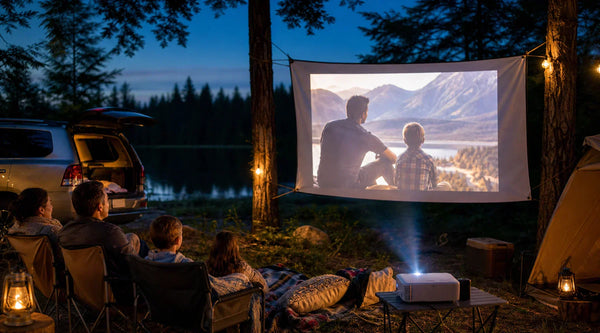
There is something inherently magical about setting up a movie theater right under the stars. The open air, the smell of popcorn, and a massive screen rolling out in your backyard can instantly elevate a standard weekend. However, if you have ever tried hosting an outdoor movie night only to find the screen completely washed out by a nearby streetlamp or the lingering glow of sunset, you know that brightness is everything.
When taking your entertainment outside, the single most critical question you need to answer is: how many lumens for an outdoor projector do I actually need?
Choosing the wrong brightness level can turn your cinematic dream into a blurry, frustrating experience. In this guide, we will break down the exact lumen requirements for different outdoor environments, explain why light measurements can be tricky, and help you pick the perfect setup for your next backyard gathering.
Understanding Projector Brightness: What is a Lumen?
Before diving into the numbers, it is essential to understand what you are actually measuring. Simply put, lumens measure the total amount of visible light emitted by a projector's light source. The higher the lumen rating, the brighter the projector, and the better it can combat outside light interference.
ANSI vs ISO Lumens
When comparing projector brightness, you will usually see ANSI lumens or ISO lumens:
- ANSI lumens are measured using a standardized method developed by the American National Standards Institute. This is the most commonly used benchmark in the US market.
- ISO lumens follow a similar standardized measurement defined by the International Organization for Standardization, often used in global product specifications.
In practice, both are reliable standardized brightness metrics. The key is consistency-always compare projectors using the same standard to avoid misleading specifications.
How Many Lumens Do You Need? (Quick Reference Table)
The ideal brightness for an outdoor projector depends entirely on two factors: ambient light (how dark the area is) and timing (dusk vs. complete darkness).
| Viewing Condition | Recommended ISO/ANSI Lumens | Ideal Screen Size | Best Used For |
|---|---|---|---|
| Complete Darkness (Late night, no streetlamps) | 1,500 - 2,000 | Up to 100 inches | Intimate, small backyard movie nights |
| Low Ambient Light (Late evening, minor light pollution) | 2,000 - 3,500 | 100 - 120 inches | Typical suburban backyard gatherings |
| Dusk / Early Evening (Residual twilight, patio lights on) | 3,500 - 5,000 | 120 - 150 inches | Live sports watch parties, family BBQs |
| Daytime Shaded Areas (Open daylight, heavy ambient light) | 5,000+ | 150+ inches | Commercial events, public park screenings |
Mid-Night Cinema: 1,500 to 2,000 Lumens
If you live in a rural area or have a highly controlled backyard with no ambient light, a projector ranging from 1,500 to 2,000 ANSI/ISO lumens is sufficient. In pitch-black conditions, human eyes naturally adjust to lower light levels. In fact, using a projector that is too bright (over 4,000 lumens) in absolute darkness can cause eye strain.
The Suburban Sweet Spot: 2,500 to 3,500 Lumens
For most American homeowners, this is the ideal range. Suburban backyards rarely offer total darkness; you usually have to contend with ambient light pollution from streetlights, your neighbor's porch lights, or the moon. A high-performance triple laser projector delivering around 3,000 to 3,500 ISO lumens provides the perfect shield against this stray light, ensuring that colors remain accurate and the contrast stays punchy.
Dusk & Live Sports: 3,500 to 5,000 Lumens
Want to host a kickoff party for the big game before the sun has fully set? You will need serious firepower. Dusk presents a heavy challenge because residual sunlight carries high light intensity. To keep a 120-inch or 150-inch screen from looking washed out during the early evening hours, a premium lifestyle or long-throw projector with 3,500+ lumens is mandatory.

Screen Size Matters: The Hidden Variable
When calculating your brightness needs, remember that as screen size increases, the brightness decreases.
When you push a projector back to cast a larger image-say, moving from a 100-inch screen to a massive 150-inch screen-the light emitted from the lens has to spread across a much wider surface area. A 2,000-lumen projector that looks stunning on an 100-inch screen at night will look noticeably dimmer and less saturated when stretched to 150 inches.
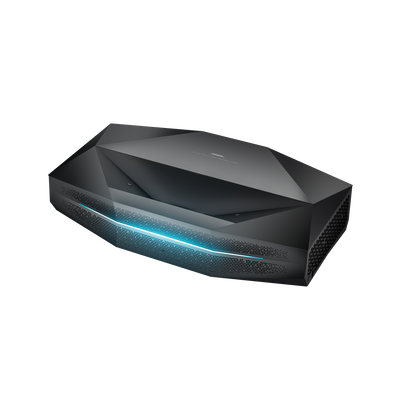
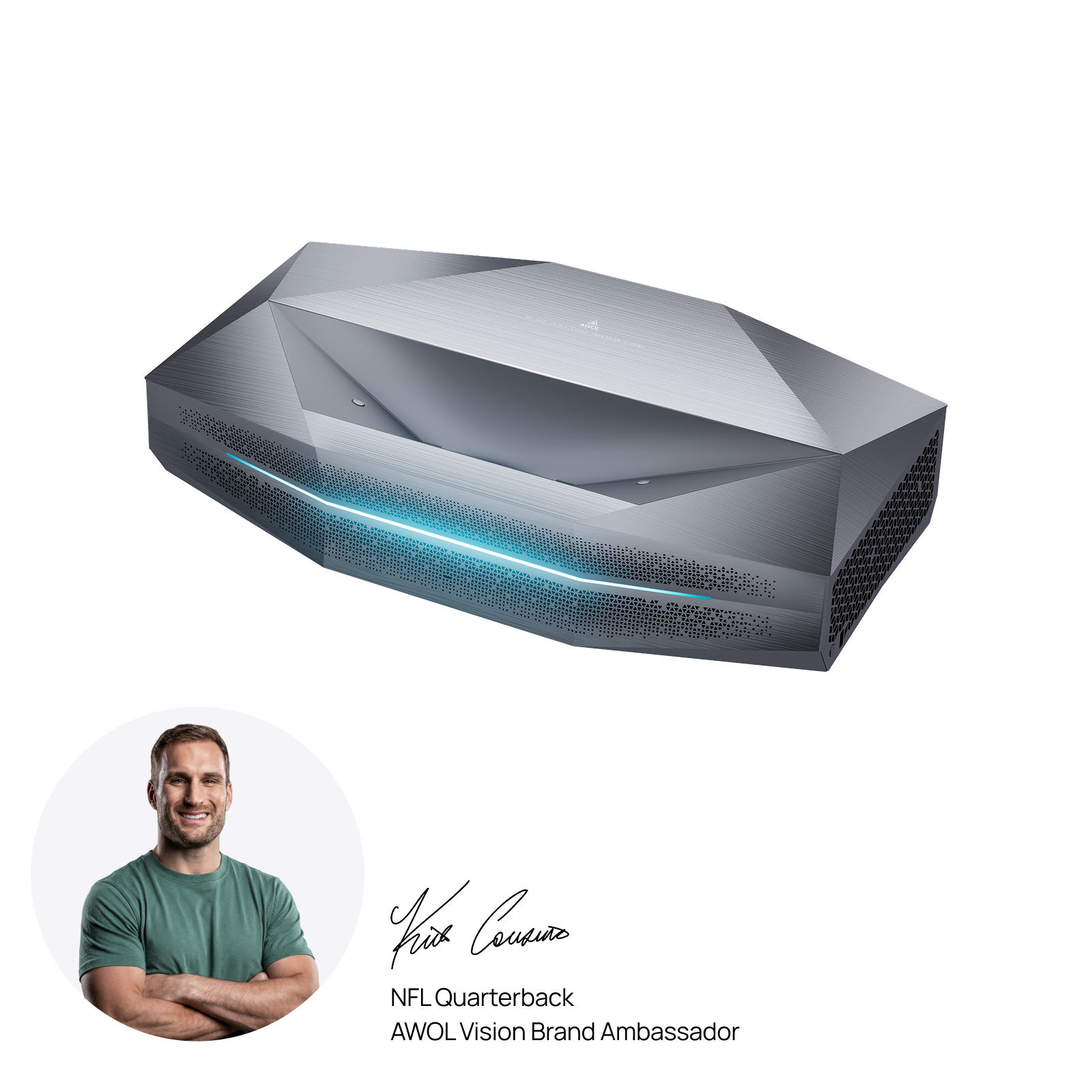
Pro Tip: If you plan to project onto a giant 130- or 150-inch inflatable outdoor screen, choose a projector with at least 3,000 ISO lumens to maintain a crisp, immersive image. A powerful option such as the Aetherion Max delivers 3,300 ISO lumens and a 6,000:1 native contrast ratio.
Key Features to Look For in an Outdoor Projector
High lumens alone will not guarantee a perfect outdoor theater. To get the absolute most out of your backyard investment, keep an eye on these additional specifications:
- Triple Laser Light Source (RGB): Traditional lamp-based projectors lose brightness rapidly over time. Pure RGB Triple Laser engines maintain peak brightness for tens of thousands of hours while delivering 100% of the cinema-grade color spectrum.
- Native Contrast Ratio: A high lumen output can sometimes crush dark details if the contrast is weak. Look for a strong native contrast ratio (such as 3000:1 or higher) so that dark, moody movie scenes don't look like grey mud.
- Easy Setup and Alignment: Setting up outdoors means you don't have a fixed mount. Features like Autofocus, Auto-Keystone Correction, and Intelligent Screen Fit save you from spending an hour manually adjusting the lens alignment before every movie.
Ready to Elevate Your Outdoors?
Determining how many lumens you need for an outdoor projector is all about evaluating your environment and your lifestyle. For an effortless, versatile outdoor cinema experience, it is not just about brightness-it is about balancing lumens, contrast, color performance, and setup flexibility as a complete system.
If you are planning to build a true backyard theater setup, explore our complete outdoor projection solutions. From casual movie nights to full-scale sports viewing parties, the right setup ensures your home becomes the go-to destination for outdoor entertainment under the stars.
FAQs
How many lumens do I need for an outdoor projector?
For most backyard setups, 2,500-3,500 ANSI or ISO lumens is a practical range. Around 1,500-2,000 lumens may be sufficient in complete darkness, while dusk or areas with ambient light generally require 3,500 lumens or more.
Is 3,000 lumens bright enough for outdoor projection?
Yes. A 3,000-lumen projector can produce a bright, vivid image after sunset and handle moderate ambient light. Performance will also depend on the screen size, screen material, and nearby lighting.
How many lumens are needed for a 150-inch outdoor screen?
Aim for at least 3,000 ISO or ANSI lumens for a 150-inch screen at night. If you plan to start at dusk or cannot control surrounding light, consider 3,500-5,000 lumens.
Can an outdoor projector be used during the daytime?
Projectors perform poorly in direct sunlight, regardless of their lumen rating. For daytime viewing, use a heavily shaded area, a suitable outdoor screen, and a projector rated at 5,000 lumens or more. Waiting until dusk will deliver much better results.
What is the difference between ANSI lumens and ISO lumens?
ANSI and ISO lumens are standardized measurements of projector brightness, but they use different testing procedures. Both are more reliable than vague marketing-lumen claims. For an accurate comparison, compare models measured using the same standard.
Be the First to Know
Subscribe for special deals, news, and important product information, and get your exclusive $100 discount.
Related Articles
Upgrade Your UST Setup: Is AWOL LuxVision Right for Your Room?
Black Projector Screen: Is It Right for Your Room?
WiFi Projector Buying Guide: Features That Actually Matter
How to Create a Modern Living Room with an Ultra Short Throw Projector Cabinet?
Rear Projection Screen Guide: Best Materials Options