











Best Projector for Camping: How to Choose the Right Outdoor Movie Setup
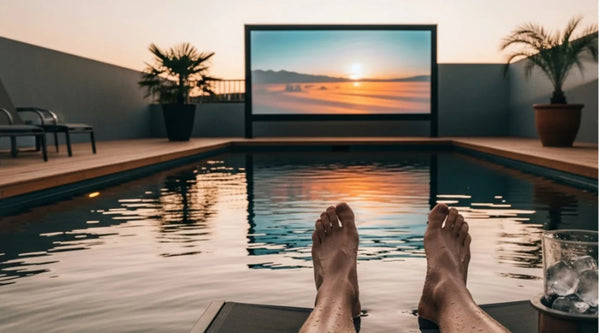
There is something special about watching a movie outdoors. After a long day of hiking, cooking, exploring, or simply relaxing at the campsite, a projector can turn an ordinary evening into a shared big-screen experience. Instead of crowding around a phone, tablet, or small RV screen, you can enjoy movies, sports, games, or family videos under the night sky.
But choosing the best camping projector is not the same as choosing a projector for a living room. You have less control over light, power, sound, screen placement, and even the surface you project onto. A projector that works well in a dark room may look too dim at a campsite. A compact model may be easy to pack, but not powerful enough for a group movie night. A bright projector may look fantastic, but only if you have a practical way to power and set it up.
This guide breaks down the key factors that actually matter when choosing a camping projector, so you can find the right balance between portability, brightness, image quality, and outdoor convenience.
Start with Your Real Camping Setup
Before looking at specs, start with how you actually camp. A backpacking trip, a family campsite, an RV weekend, and a backyard camping night all require different projector setups. Find your type using the quick chart below.
| Projector Category | Best For | Strengths | Trade-Offs | Reference Pricing |
|---|---|---|---|---|
| Pocket / Mini Camping Projector | Backpacking, solo trips, tent viewing | Light and easy to pack | Lower brightness and sound, limited battery life | Around $100–$300 |
| Portable Smart Projector | Family camping, casual movies | Easy setup with smart features | Best used after dark; may still need external speaker or screen | Around $300–$800 |
| High-Brightness Outdoor Projector | Car camping, RV trips | Brighter image, better color and contrast, more suitable for group viewing | Usually larger and may require AC power or portable power station | Around $800–$1,500 |
| 4K Premium Camping Cinema Setup | RV trips, glamping, group movie nights | Sharper 4K detail, stronger brightness, better color performance, more flexible | Less suitable for backpacking, needs reliable power source and more setup space | Around $1,500–$4,500+ |
If you are hiking to a remote tent site, portability and power efficiency should come first. You will probably want something compact, simple, and easy to run for a short viewing session. If you usually travel by car, camp near an RV, or bring a portable power station, you can consider a brighter and more capable projector because weight and power are less restrictive.
Also think about your audience. A small projector may be enough for one or two people watching inside a tent. But if you want to host a group movie night, watch a live sports event, or create a more cinematic outdoor setup, you will need stronger brightness, better sound, and a stable projection screen.
The best camping projector is not necessarily the smallest one. It is the one that matches your campsite, your group size, and the kind of viewing experience you want.

How Many Lumens Do You Need for Camping?
Brightness is one of the most important factors for outdoor projection. Campsites are rarely completely dark. Even after sunset, the image can be affected by moonlight, lanterns, string lights, vehicle lights, nearby tents, or a campfire. If the projector is not bright enough, the picture can look faded, especially on a larger screen.
Projector brightness is usually measured in ANSI lumens or ISO lumens. While the exact number you need depends on screen size and surrounding light, the basic rule is simple: the more outdoor light you have to deal with, the more brightness you need.
- Under 300 ANSI/ISO Lumens: Only usable in a pitch-black tent or deep woods long after midnight. A campfire or single flashlight will wash the image out completely.
- 300 to 600 ANSI/ISO Lumens: Acceptable for casual viewing on a modest 60-inch screen once night has fully fallen.
- 600 to 1,200 ANSI/ISO Lumens: The ideal sweet spot for standard car-camping projectors, throwing a vibrant 100-inch image after dusk.
- 2,500 to 3,500+ ISO Lumens (Premium Standard): Essential for glamping, backyard-to-campsite hybrids, or starting your movie during twilight rather than waiting for absolute darkness.
Resolution: 1080p or 4K
Resolution decides how sharp the image looks, especially when it is projected onto a large screen. For small tent viewing, basic image quality may be enough. But once you project at 100 inches or more, low resolution becomes much easier to notice. Text can look soft, faces may lose detail, and fast-moving scenes can feel less clear.
For most camping projector setups, 1080p should be treated as the practical baseline. It is suitable for casual movies, cartoons, sports, and general outdoor entertainment. However, if you plan to use a larger screen or want a more immersive viewing experience, a 4K projector is a stronger choice.
A 4K camping projector is especially useful for outdoor movie nights, live sports, gaming, and visually rich content such as travel films or nature documentaries. The larger the image, the more valuable that extra detail becomes. For comprehensive comparison, you can look into more benefits of upgrading to a 4k projector.
Battery-Powered vs. AC-Powered
Battery-powered projectors are convenient because they reduce cables and make setup easier. They can be a good fit for short viewing sessions or lightweight camping. However, built-in batteries often come with limitations. To save energy, many battery models reduce brightness or resolution, and runtime may only be long enough for one standard movie.
If you are car camping, RV camping, overlanding, or using a portable power station, an AC-powered projector may give you a much better viewing experience. Without relying on a small internal battery, the projector can support stronger brightness, better cooling, and higher image performance.
Before your trip, plan your full power setup. Count not only the projector, but also the speaker, streaming device, phone hotspot, or media player. A good camping movie night should last from opening scene to final credits without forcing you to lower brightness or stop halfway through.
Smart Setup and Adaptability
Campsites are rarely perfectly flat. You will likely be resting your projector on a picnic table, a cooler, a folding camping chair, or the hood of your truck. If the projector is not perfectly aligned with the center of the screen, the image will be severely distorted.
To avoid spending 30 minutes tinkering in the dark, look for projectors equipped with advanced smart setup features:
- Auto Keystone Correction: Automatically digitally squares the image so it looks like a perfect rectangle, even if the projector is placed at an extreme horizontal or vertical angle.
- Auto Focus: Instantly sharpens the image using built-in cameras, saving you from having to manually twist a focal dial.
- Optical Zoom: This is a rare but highly coveted feature for outdoor setups. Most portable projectors use "digital zoom," which shrinks the image by turning off pixels, thereby destroying your resolution. Optical zoom uses physical glass lenses to resize the picture without losing a single pixel of quality. It allows you to perfectly frame your movie on your outdoor screen without physically moving the projector back and forth over rocky, uneven ground.
Screen and Sound
Many people spend most of their budget on the projector and forget the screen. Outdoors, this is a mistake. A white bedsheet or tent wall may work in an emergency, but it usually absorbs or passes through too much light. Wrinkles, wind movement, and uneven surfaces can also make the image look unstable.
A dedicated outdoor projector screen gives you a flatter and more reflective surface. It helps improve brightness, sharpness, and viewing comfort. For camping, the best screen is usually foldable, portable, and stable enough to stand outdoors.

Sound is just as important. Campsites can be louder than expected, with wind, insects, nearby campers, or general outdoor noise. Built-in speakers may be fine for a small group sitting close to the projector, but larger gatherings often need an external speaker. Check whether the projector supports Bluetooth, HDMI audio output, or a 3.5mm audio connection so you can improve the sound if needed.

Elevating the Experience: A Premium Camping Recommendation
If you want to build the ultimate outdoor theater without limitations, it is worth looking at high-end 4K lifestyle projectors that prioritize raw optical performance.
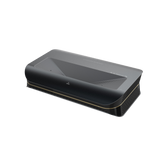
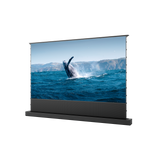
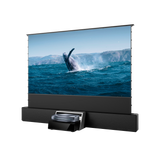
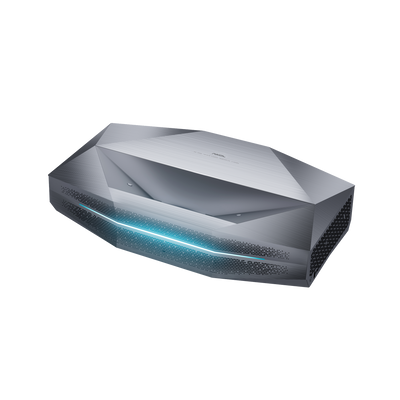
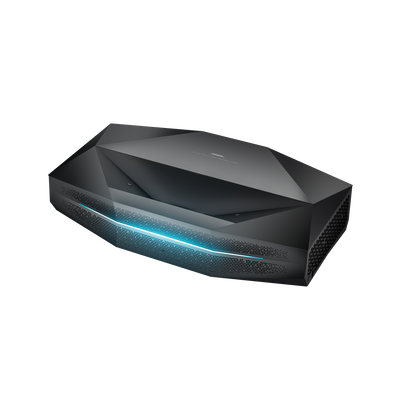
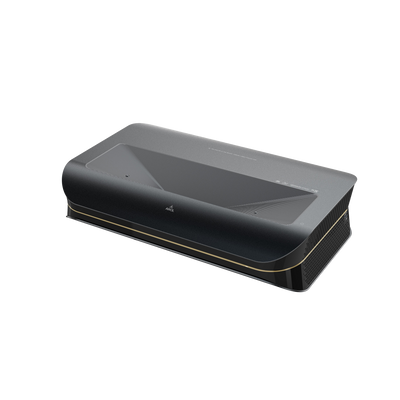
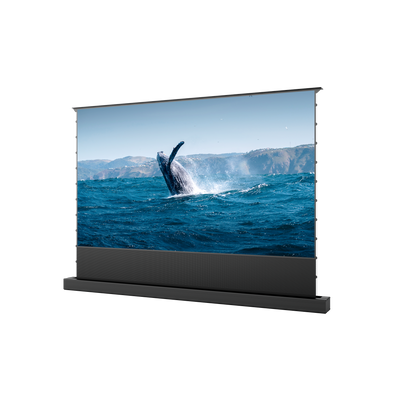
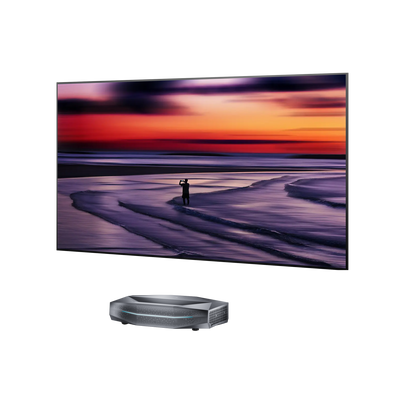
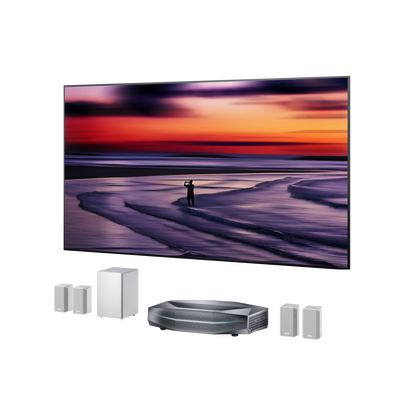
AWOL Valerion VisionMaster Pro 2 is an exceptional example of a projector that adapts flawlessly to high-end outdoor setups. Powered by an advanced 4K RGB Triple Laser engine, it outputs a stunning 3000 ISO Lumens. This immense brightness means you do not have to wait for the dead of night; you can confidently start your outdoor movie nights at dusk without the image washing out against the evening sky. Paired with an outdoor camping folding screen and stand, it becomes a perfect bundle that brings a portable outdoor theater wherever you camp, from Yosemite National Park to the scenic landscapes near the Grand Canyon.

Final Thoughts
The best camping projector is the one that fits your real outdoor habits. If you camp light, focus on portability, simple power, and fast setup. If you want a larger outdoor movie night, prioritize brightness, resolution, screen quality, sound, and reliable power.
When the projector, screen, power source, and campsite layout all work together, outdoor viewing becomes much easier and more enjoyable. With the right setup, your next camping trip can end with more than a campfire — it can end with a true big-screen experience under the stars.
FAQs
What is the best projector for camping?
The best camping projector depends on how you camp. For backpacking or tent viewing, a compact mini projector may be enough. For car camping, RV trips, or group movie nights, a brighter projector with stronger image quality, better sound support, and a dedicated outdoor screen will usually deliver a much better experience.
How many lumens do I need for a camping projector?
For small tent viewing in very dark conditions, under 300 ANSI/ISO lumens may work. For casual outdoor viewing after dark, 300 to 1,200 ANSI/ISO lumens is more practical. For larger screens, glamping, RV setups, or twilight viewing, 2,500 to 3,500+ ISO lumens is a better choice.
Is 1080p enough for a camping projector?
Yes, 1080p is enough for many casual camping movie nights, especially on smaller screens. However, if you plan to project at 100 inches or larger, watch live sports, or want a more cinematic outdoor setup, a 4K camping projector can provide sharper details and a more immersive image.
Should I choose a battery-powered or AC-powered camping projector?
A battery-powered projector is convenient for lightweight camping and short viewing sessions, but it may have lower brightness and limited runtime. An AC-powered projector is better for car camping, RV trips, and setups with a portable power station because it can usually support higher brightness, better cooling, and stronger overall performance.
Do I need a screen for a camping projector?
A dedicated outdoor projector screen is strongly recommended. A bedsheet, tent wall, or uneven surface may reduce brightness, create wrinkles, or make the image look unstable. A foldable outdoor screen provides a flatter, more reflective surface and helps create a cleaner, more enjoyable movie night at the campsite.
Be the First to Know
Subscribe for special deals, news, and important product information, and get your exclusive $100 discount.
Related Articles
Upgrade Your UST Setup: Is AWOL LuxVision Right for Your Room?
Black Projector Screen: Is It Right for Your Room?
WiFi Projector Buying Guide: Features That Actually Matter
How to Create a Modern Living Room with an Ultra Short Throw Projector Cabinet?
Rear Projection Screen Guide: Best Materials Options