












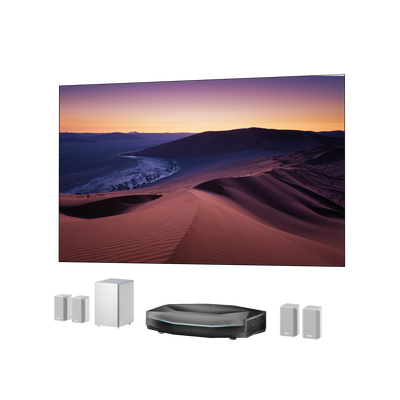


The Ultimate Backyard Movie Night Setup Guide
There is something instantly memorable about a backyard movie night. The open sky, the cool evening air, the glow of the screen, and a bowl of popcorn can turn an ordinary weekend into a cinematic event at home. The best part is that you do not need a complicated installation to make it work. With the right projector, screen, sound system, and a few comfort details, your backyard can feel surprisingly close to an outdoor theater.
Whether you are planning a casual family screening, a kids’ movie night, a summer party, or a more polished outdoor cinema setup, this guide walks through everything you need to know. For a broader look at building an outdoor home theater in your backyard, the same core principle applies: outdoor viewing works best when brightness, screen quality, sound, and comfort are planned together.
What Do You Need for a Backyard Movie Night?
A successful backyard movie night setup usually comes down to five essentials:
- A projector bright enough for outdoor viewing
- A proper screen or flat projection surface
- Speakers that can carry sound across open space
- Reliable power and streaming connections
- Comfortable seating, lighting, snacks, and bug control
You can keep the setup simple or build it into a repeatable outdoor entertainment system. Either way, planning these five areas in advance helps you avoid the common problems: a washed-out picture, weak audio, tangled cords, uncomfortable seating, or guests waiting while you troubleshoot the projector.
Step 1: Choose the Right Projector for Outdoor Use
The projector is the heart of your backyard movie night. Outdoors, image quality depends heavily on brightness because you are dealing with light sources that are harder to control, such as porch lights, street lamps, nearby windows, patio lighting, and even the remaining glow after sunset.
How Many Lumens Do You Need for a Backyard Movie Night?
For outdoor movie nights, projector brightness matters more than many first-time buyers expect. A projector that looks fine in a dark bedroom may struggle once it is used in a backyard.
As a general guide:
- 500–1,500 lumens: workable only after full dark in a very controlled backyard
- 2,000–3,000 lumens: a stronger range for most evening screenings
- 3,000+ lumens: better for larger screens, earlier start times, or yards with unavoidable ambient light
The safest approach is to start the movie about 30 to 45 minutes after sunset. Even a brighter projector performs better when the sky is fully dark.

Does 4K Matter Outdoors?
For a casual 80- to 100-inch backyard movie night, 1080p can still look enjoyable, especially if guests are sitting farther back. But once you move into 120-inch screens and above, 4K becomes much more noticeable. The larger the image, the easier it is to see the difference in fine detail, text clarity, and overall sharpness.
If you plan to host outdoor movie nights more than a few times a year, a 4K projector is worth considering. It helps the setup feel less like a temporary backyard activity and more like a true outdoor cinema experience.
Portable or Semi-Permanent Setup?
A portable projector can work well for occasional use, especially if you want something quick to move and store. But if you host regularly, a more capable projector can make the entire process easier. Look for stable brightness, strong image processing, simple setup controls, and built-in streaming support so you are not relying on too many extra devices.
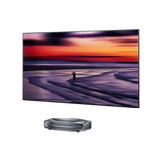
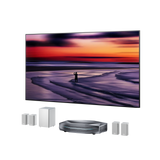
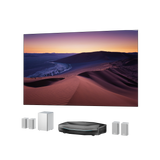
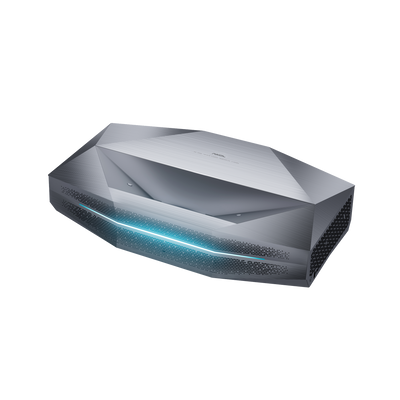
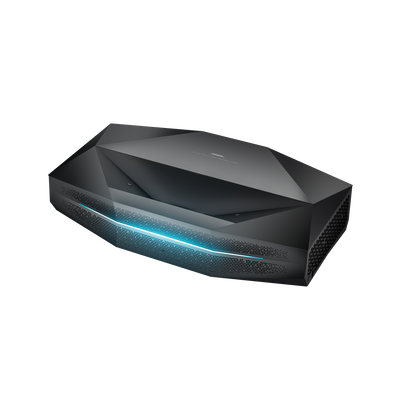
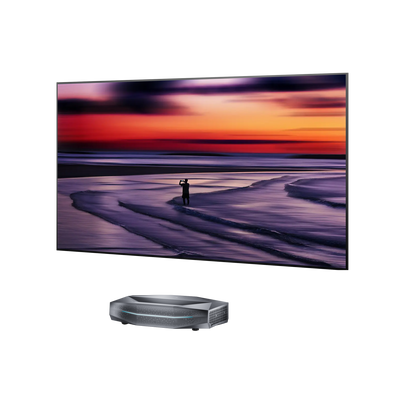
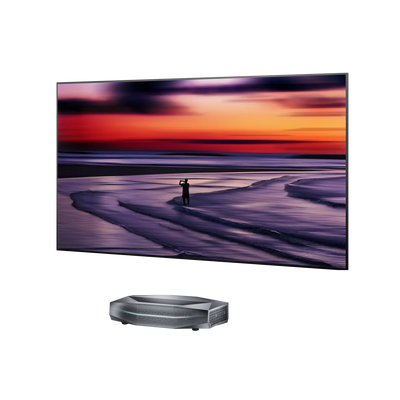
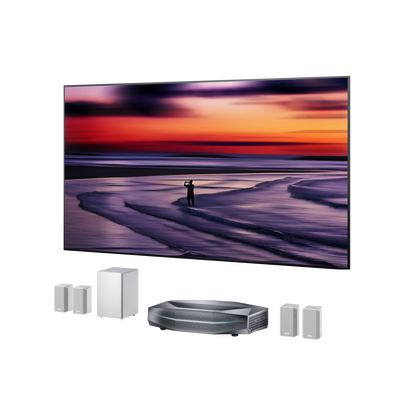
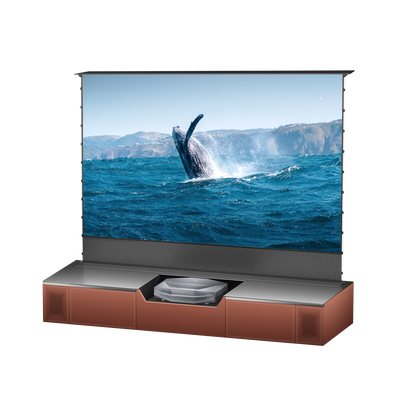
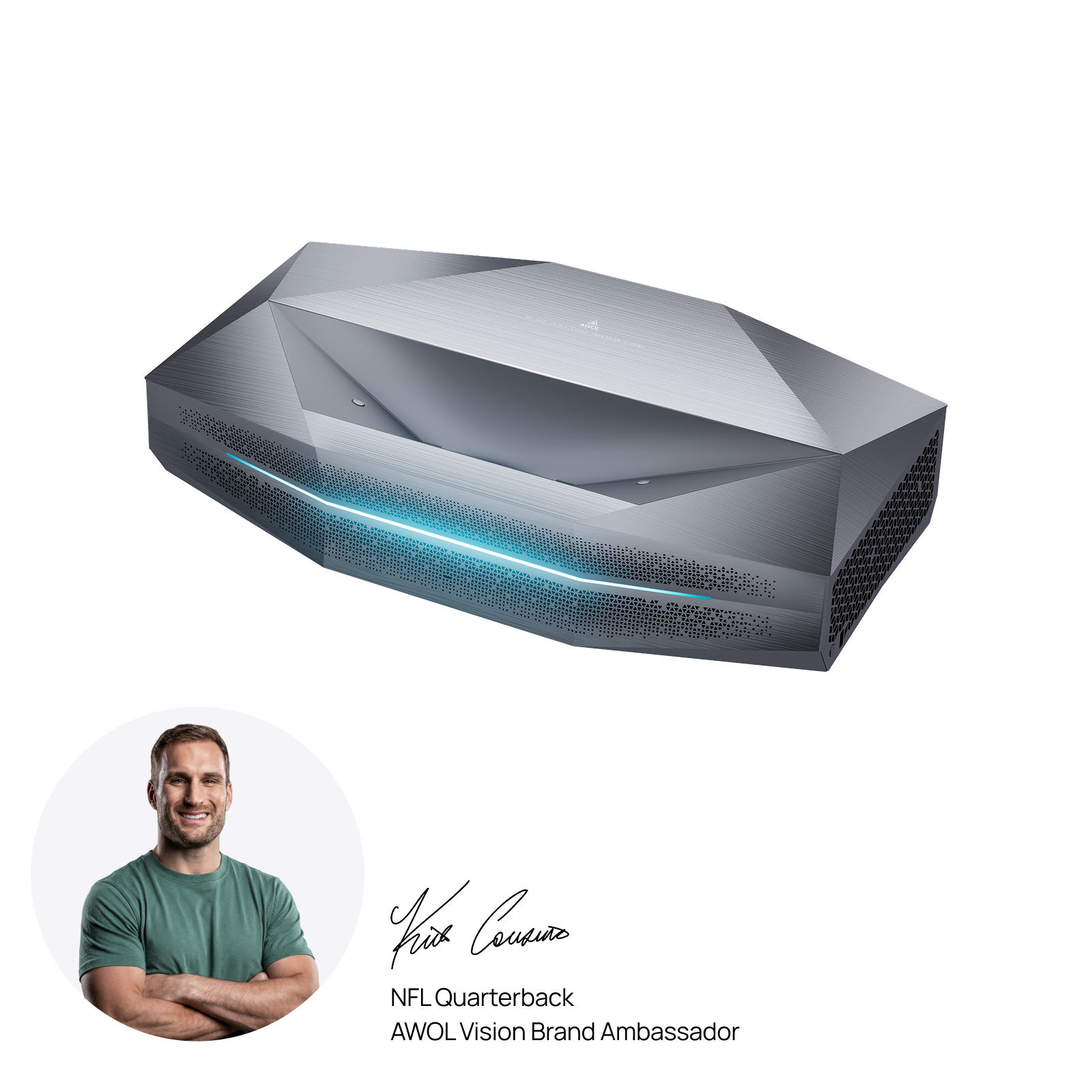
For hosts who want a premium repeat setup, Aetherion Max brings flagship performance to backyard movie nights with 3,300 ISO lumens, 4K clarity up to 200 inches, RGB Pure Triple Laser, and 110% Rec.2020 color. Its UST design, PixelLock™ Technology, 6,000:1 native contrast, and Anti-RBE Technology make movies, sports, and gaming brighter, cleaner, and more cinematic.
Step 2: Pick the Best Outdoor Movie Screen
The screen has a major impact on image quality. A great projector still needs the right surface to produce a crisp, bright, evenly balanced picture.
For a one-time backyard movie night, you can project onto a clean white wall, garage door, or even a white sheet. But these surfaces usually have drawbacks: wrinkles, texture, uneven color, reflections, or wind movement. For regular outdoor movie nights, a dedicated screen is a better investment.
Common Backyard Movie Screen Options
White sheet or garage door: This is the lowest-cost option and can work for a casual test night. However, the image may look dull or uneven if the surface is not flat.
Tripod screen: A tripod screen is easy to set up and store. It works best for smaller groups and 80- to 100-inch viewing sizes. The main downside is wind, so it needs to be positioned and secured carefully.
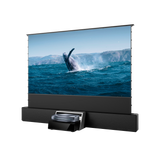
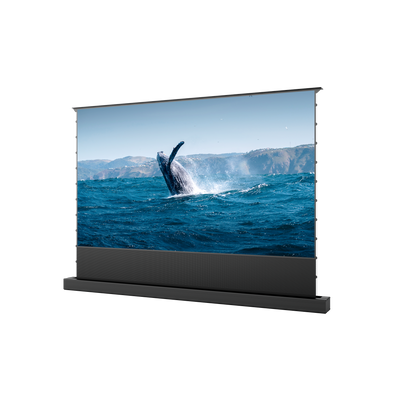
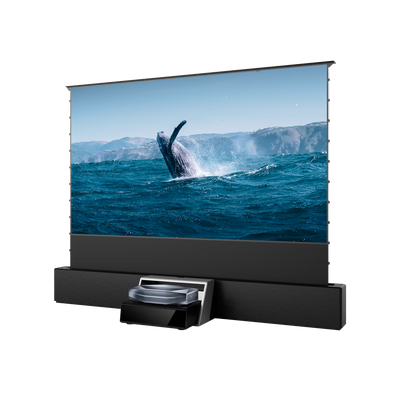
Freestanding frame screen: This is one of the best choices for repeat backyard movie nights. It provides a flatter surface and usually delivers better image sharpness than a sheet or basic pull-up screen. For perfect outdoor projection, AWOL Vision 120''–200'' Outdoor Portable Fold Matte White Screen offers 1.3 gain, 170° ultra-wide view, waterproof durability, 3-minute no-tool setup, rolling carry packaging, easy cleaning, and universal projector compatibility.
Inflatable screen: Inflatable screens create a fun, event-like atmosphere and can work well for large groups. However, they need continuous airflow and can be harder to manage on windy evenings.
What Size Screen Is Best for a Backyard Movie Night?
For most residential backyards, a 100- to 120-inch screen is the most practical sweet spot. It feels much larger than a TV, but it is still manageable for brightness, seating distance, and setup time.
A simple seating rule is to place viewers about 1.5 to 2.5 times the screen width away from the screen. For example, a 100-inch 16:9 screen is about 87 inches wide, which puts a comfortable seating range at roughly 11 to 18 feet. If you plan to use a larger screen, make sure your projector has enough brightness to support it. A huge but dim image is less enjoyable than a slightly smaller image that looks bright and clear.
Step 3: Place the Projector Correctly
Projector placement can make or break the setup. If the projector is too far, too close, too low, or angled incorrectly, the image may look distorted or difficult to align.
Before the movie night, check your projector’s throw ratio. This tells you how far the projector needs to sit from the screen to create a certain image size. The basic formula is:
Throw Distance = Throw Ratio × Screen Width
For traditional projectors, this may mean placing the projector several feet behind the seating area. For short throw or ultra short throw projectors, the placement can be much closer to the screen. Once the projector is in place, adjust focus, image size, and keystone correction before guests arrive. A quick test run the night before can save you from awkward setup delays when everyone is already seated.
Step 4: Set Up Outdoor Sound That Actually Works
Sound is one of the most common weak points in a backyard movie night setup. Outdoor spaces do not hold audio the way a room does. Without walls to reflect sound, dialogue can feel thin or quiet, even if the projector’s built-in speaker seems loud indoors.
For a small family night, a strong Bluetooth speaker may be enough. Place the speaker near the seating area rather than beside the projector so dialogue feels closer to the audience. If your speaker supports stereo pairing, two speakers can create a fuller soundstage.
For a larger group, consider powered outdoor speakers, a small PA speaker, or a weather-resistant soundbar. The goal is not just volume, but clarity. Movie nights fail quickly when guests can see the screen but cannot hear the dialogue.
Before the event, test the sound at the same volume you plan to use during the movie. Walk to the back row and make sure dialogue is still clear without making the front row uncomfortable.
Step 5: Handle Power, Cables, and Streaming
Power and connectivity are not exciting, but they are what keep the night running smoothly.
Use a heavy-duty outdoor-rated extension cord and plug it into a safe exterior outlet. Keep cords away from walking paths whenever possible. If a cable has to cross the lawn or patio, mark it with bright tape or cover it with a cord protector to reduce tripping risk.
For streaming, the simplest option is usually a Roku, Fire TV Stick, Chromecast, Apple TV, or laptop connected through HDMI. Before the event, check whether your Wi-Fi signal reaches the projector location. A weak signal can lead to buffering at the worst possible moment. If your connection is unreliable, download the movie in advance when the platform allows it, or use a wired or hotspot backup.
Do a full 10-minute test before guests arrive. Confirm the projector powers on, the streaming device works, the Wi-Fi is stable, the speaker connects, and the movie plays with both video and audio.
Step 6: Create Comfortable Backyard Seating
Comfort is what turns a working setup into a memorable backyard movie night. Think about the full viewing experience: sightlines, blankets, weather, and how long people will be sitting.
For casual screenings, low camp chairs, beach chairs, outdoor blankets, bean bags, and air mattresses can all work well. Place kids and guests on blankets toward the front, then arrange taller chairs behind them so no one blocks the screen. If the screen is low, avoid placing high-back chairs in the first row.
Keep a basket of blankets nearby, even in summer. Temperatures can drop quickly after dark, and guests are more likely to stay comfortable through the entire movie if they can warm up without leaving their seats.
If children will be part of the event, safety matters too. Keep the projector and power cables out of high-traffic areas, avoid exposed cords near play zones, and make sure young kids cannot look directly into the projector lens.

Step 7: Build the Right Backyard Movie Night Atmosphere
A backyard movie night is not only about the equipment. The atmosphere is what makes it feel special.
Lighting
String lights, lanterns, or pathway lights can make the space feel warm and welcoming before the film starts. Just make sure they do not shine directly onto the screen. Turn off porch lights, flood lights, or bright patio fixtures once the movie begins.
Bug Control
Mosquitoes can ruin an otherwise perfect movie night. Set up citronella candles, mosquito repellers, or bug spray stations before guests arrive. Keep bug control around the seating area, snack table, and any path people will use during the film.
Snacks and Drinks
A dedicated snack station adds a theater-like touch. Popcorn, candy, bottled drinks, and a cooler are easy wins. You can also match snacks to the movie theme, such as tropical drinks for an island adventure film or hot chocolate for a winter screening.
Warmth and Weather
For cooler evenings, set out blankets or use a patio heater or fire pit placed safely behind the seating area. Avoid placing any flickering light source where it reflects onto the screen. If wind is expected, secure the screen with stakes, weights, or sandbags.
Backyard Movie Night Setup Checklist
Use this checklist before your next outdoor screening.
Equipment
- Projector with enough brightness for outdoor viewing
- Outdoor screen or flat projection surface
- Screen stand, stakes, or wind anchors
- Bluetooth speaker, soundbar, or outdoor speakers
- Streaming device, laptop, or media player
- Outdoor-rated extension cord
- Power strip or surge protector if needed
Setup Day
- Check the weather and wind conditions
- Set up the screen and secure it
- Place the projector at the correct distance
- Adjust image size, focus, and keystone correction
- Test Wi-Fi or downloaded content
- Connect and test speakers
- Mark or cover any cords across walking areas
- Arrange seating with clear sightlines
Atmosphere
- Hang and test soft lighting
- Turn off lights that hit the screen
- Set up bug control before guests arrive
- Prepare blankets or throws
- Stock the snack and drink station
- Start the movie 30 to 45 minutes after sunset
Backyard Movie Night FAQs
Do I need a special outdoor projector screen?
You do not strictly need one for a casual one-time movie night. A white wall or garage door can work if the surface is flat and clean. However, a dedicated screen will usually produce a sharper, brighter, and more consistent picture. If you plan to host outdoor movie nights regularly, a freestanding frame screen or outdoor screen is worth the upgrade.
Can I use a projector for a backyard movie night before dark?
It is possible, but it depends on the projector brightness, screen type, and ambient light. Standard portable projectors usually struggle before dark. For a better picture, wait until 30 to 45 minutes after sunset. If you need to start earlier, choose a high-brightness projector and avoid shining lights near the screen.
How far should the projector be from the screen?
It depends on the projector’s throw ratio and the screen size. Traditional projectors often need several feet of distance, while short throw and ultra short throw models can sit much closer. Always check the throw ratio before setting up, then test the image size and focus before the event.
What is the best screen size for a backyard movie night?
For most backyards, 100 to 120 inches is the best balance. It feels immersive without requiring an extremely bright projector or a huge viewing distance. Larger screens can work well for bigger yards and larger groups, but they need stronger brightness to avoid looking dim.
What should I do if wind affects the screen?
Use stakes, ropes, sandbags, or weighted bases to secure the screen. If the forecast calls for strong wind, avoid inflatable screens and choose a framed screen, tripod screen, garage door, or another stable projection surface instead.
Are built-in projector speakers enough outdoors?
Usually not. Built-in projector speakers may work indoors, but outdoor spaces absorb sound quickly. For a better experience, connect a Bluetooth speaker, soundbar, or outdoor speaker system and place the audio source closer to the seating area.
Final Thoughts: Make Your Backyard Movie Night Easy to Repeat
A great backyard movie night does not have to be complicated. Once you have the right projector, a reliable screen, clear sound, safe power access, and comfortable seating, the rest is about atmosphere. Soft lights, warm blankets, simple snacks, and a well-timed start after sunset can make the evening feel effortless.
The best setup is one you can repeat. Test your equipment once, keep your checklist handy, and make small upgrades over time. With the right planning, your backyard can become the place where family movie nights, summer parties, and weekend gatherings feel bigger, brighter, and more cinematic.
Be the First to Know
Subscribe for special deals, news, and important product information, and get your exclusive $100 discount.
Related Articles
Playing PS4 on a Projector: Setup, Settings, and Better Gaming
7 Basement Home Theater Ideas with a Style of Their Own
Projector Screen Paint: Is It Worth Painting Your Wall?
A Projector in an Apartment: Make Room for the Screen, Not a Theater
Small Man Cave Ideas: 10 Activity-Based Setups for Limited Space