


















Hidden Projector Screen Ideas: How to Make a 120-Inch Screen Disappear
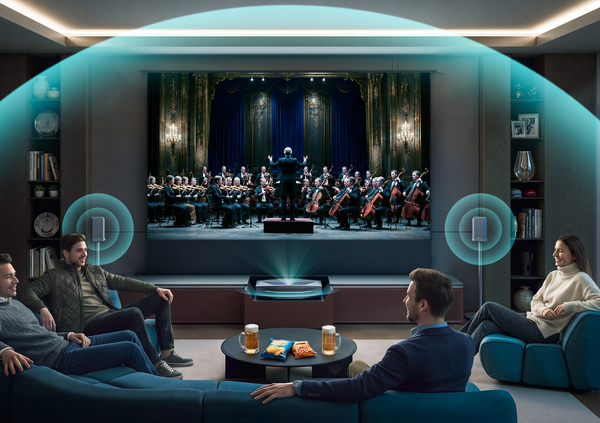
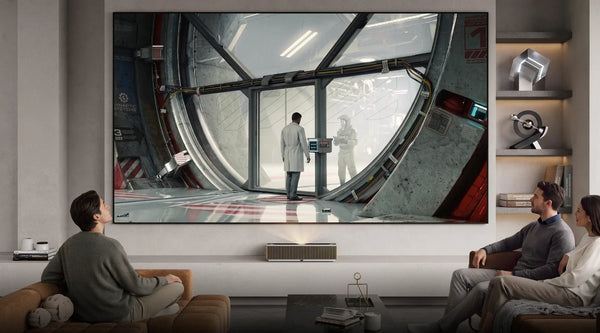
A projector gives you a 120-inch home theater without the footprint of a TV — but only while the movie is playing. The rest of the week, a fixed screen is just a black rectangle on the wall that fights with your decor and invites questions from anyone who walks in. For many households that's the real blocker: the cinema is great, the leftover screen is not.
Hidden projector screen ideas solve exactly that. The aim is to enjoy the big picture on demand, then tuck the whole setup out of sight so the room goes back to normal. The six approaches below run from reversible, no-tool tricks to fully built-in systems.
Compare Hidden Projector Screen Ideas
| Method | Difficulty | Time to set up | Cost | Aesthetic | Best for |
|---|---|---|---|---|---|
| Curtains, sliding panels & room dividers | ★★★★★ | ★★★★★ (instant) | ★★★★★ (nearly free) | ★★★☆☆ | Renters, frequent changers, temporary setups |
| Furniture & artwork in front | ★★★★★ | ★★★★☆ | ★★★★☆ | ★★★☆☆ | Screens mounted high; rooms with existing storage |
| Mirror film & projection paint | ★★★☆☆ | ★★★☆☆ | ★★★★☆ | ★★★★☆ | A dedicated, permanent media wall |
| Recessed ceiling screen | ★★☆☆☆ | ★★☆☆☆ | ★★☆☆☆ | ★★★★★ | Homeowners renovating; basements |
| Floor-rising screen | ★★★★★ | ★★★★★ | ★★★☆☆ | ★★★★★ | Living rooms, renters, no-drill spaces |
| Furniture-integrated system | ★★★★★ | ★★★★★ | ★★★☆☆ | ★★★★★ | Living rooms that must stay presentable |
1. Curtains, Sliding Panels & Room Dividers

The fastest hidden projector screen ideas need nothing but items you already own, which makes them perfect for renters and anyone who changes their mind often. A simple curtain or blackout panel in front of the screen covers it completely when you're not watching, and it doubles as a design feature. Sliding panels painted to match the wall read as built-in trim, while a freestanding room divider hides a fixed screen in a shared space. All three are reversible and cost almost nothing — hang the panel, and movie night is one pull of fabric away.
2. Furniture & Artwork in Front

A bookshelf, cabinet, or even a large framed print placed in front of the screen keeps it out of sight during the day. This works best if the screen sits high enough that the cover fully clears it. It's the most passive approach of all: no mechanics, no installation, just smart placement. The trade-off is that you're masking the screen rather than removing it, so the cover has to be wide and tall enough to hide the whole surface — and it should look intentional, not like a screen you forgot to put away.
3. Mirror Film & Projection Paint

Two more permanent tricks turn the wall itself into the disguise. Two-way mirror film lets a fixed screen double as a mirror, so the surface looks like part of your decor until the projector fires up. Specialized projection paint does the opposite: it turns a plain wall into a surface that looks ordinary until you project on it. Both are permanent, so reserve them for a dedicated media wall you won't redesign soon. If you'd rather build your own surface than hide a store-bought one, our DIY projector screen guide walks through getting a clean, good-looking result.
4. Recessed Ceiling Screens

If you own the home and are renovating, built-in options disappear completely when stored. Tucking a motorized screen into a coffered, flush, or boxed ceiling cavity is the most seamless look — the screen simply drops down when you press a button and vanishes into the architecture when retracted. The downside is real: cutting into the ceiling, running power and wiring above it, and usually a professional installer. All-in, a recessed build can run toward several thousand dollars and isn't friendly to renters. A basement home theater is the classic place for this kind of permanent, hidden install.
5. Floor-Rising Screens — the Modern Favorite

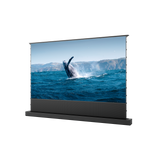
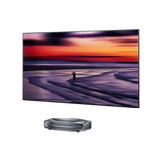
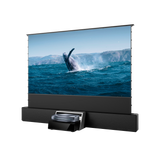
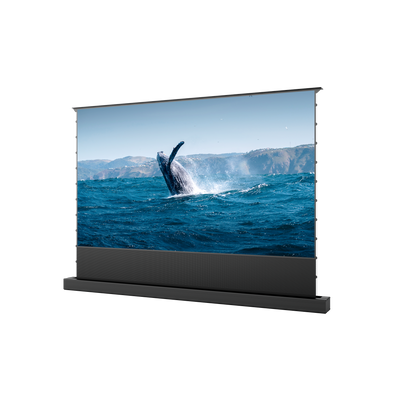
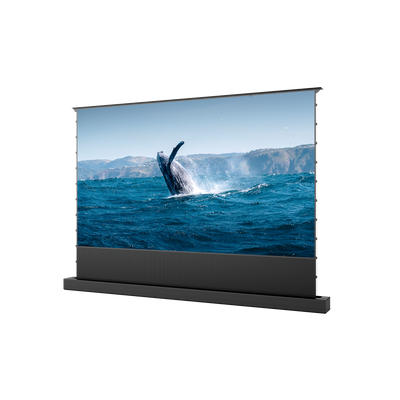
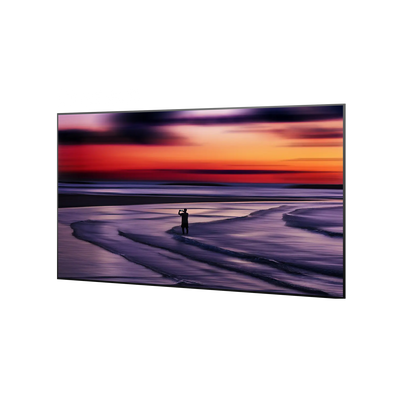
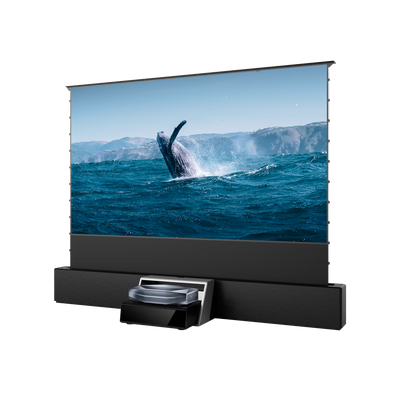
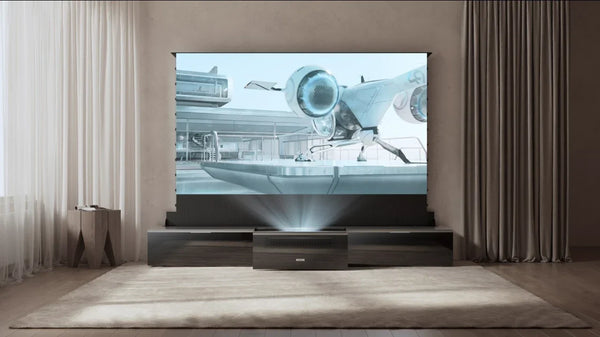
For most living rooms, the standout among hidden projector screen ideas is the floor-rising screen. Instead of mounting anything, the screen lives in a low base unit on the floor and rises vertically at the touch of a button, then retracts completely so there's no trace it was ever there. This solves the complaints that push people away from projectors. There's no drilling or ceiling work, so it suits renters and open-plan spaces. A tensioned surface stays drum-flat, avoiding the waves and sag you get from cheaper rolls.
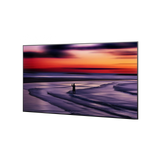
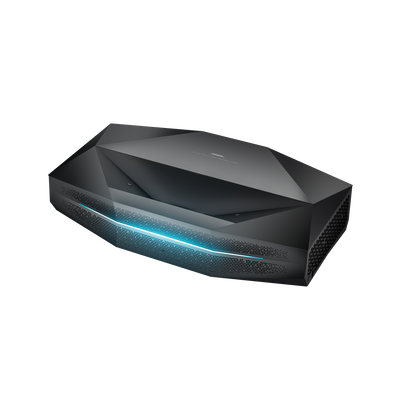
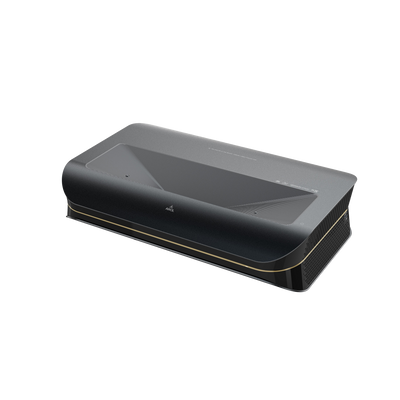
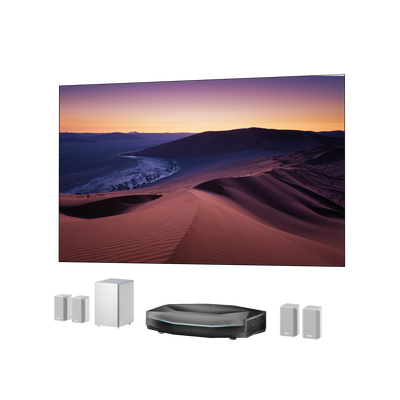
Quiet motors and remotes that work through furniture keep operation smooth, and a USB trigger lets the screen rise automatically the instant your projector powers on and lower when it shuts off. For a no-construction, disappears-when-idle setup, AWOL Vision's 100"–130" motorized floor-rising screen is built exactly for this: a tensioned ALR surface in 100, 120, or 130 inches that syncs with an ultra short throw projector and tucks away between shows.

6. Furniture-Integrated Systems — Hide the Whole Cinema

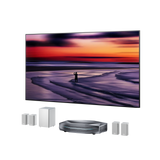
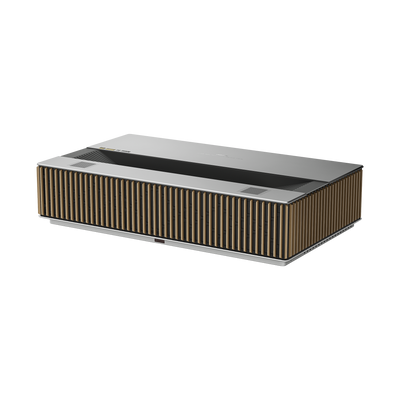
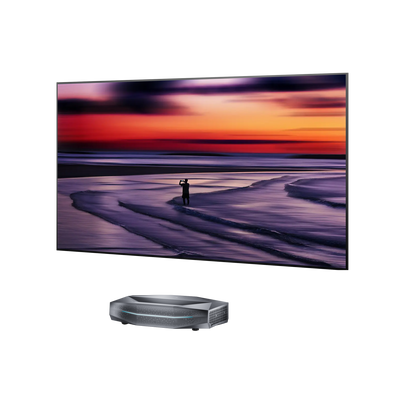
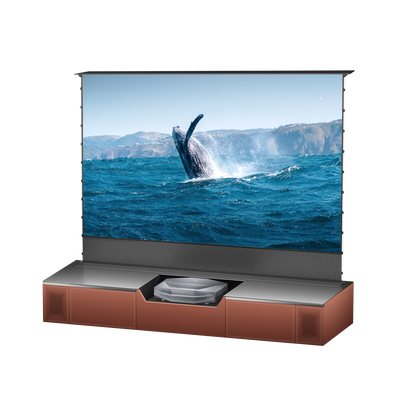
Taking the furniture idea further, you can hide not just the screen but the projector too. A dedicated cabinet houses the ultra short throw projector and the floor-rising screen behind a motorized lift, so the whole cinema retracts into a piece of furniture that looks intentional rather than techy.
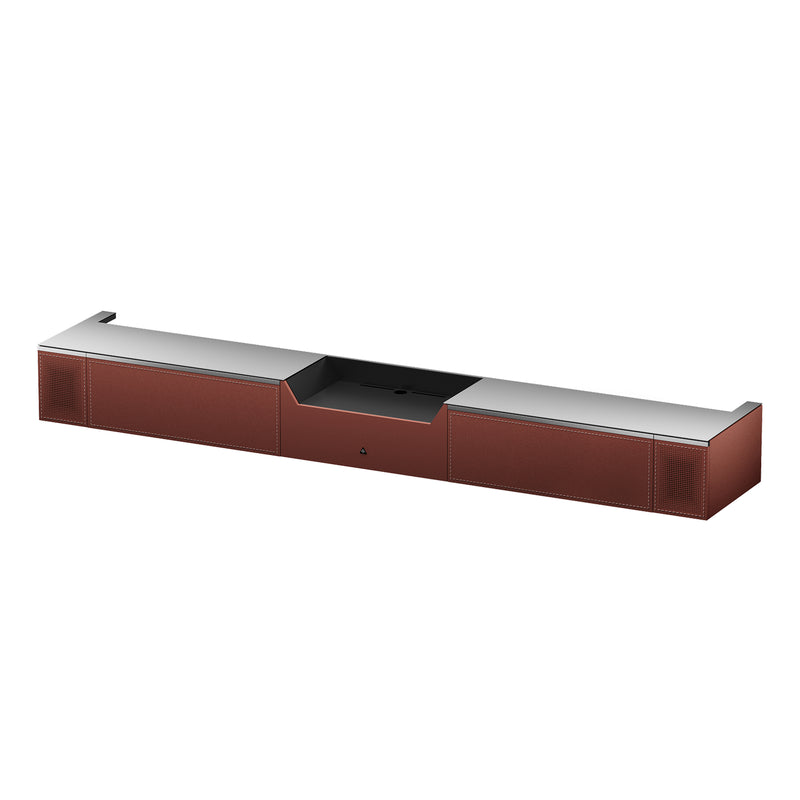
AWOL New Gen Vanish TV Cabinet is engineered for exactly this: built for ultra short throw projectors and floor-rising screens, with a motorized projector island and a premium metal-and-leather finish that reads as design furniture. When closed, there's no screen, no projector, no black rectangle — just a cabinet that belongs in the room. For households where the living room has to stay livable, that's the point. If you're planning a modern living room around an ultra short throw projector cabinet, this is the most guest-approved, furniture-first option of all.
FAQs
What's the easiest way to hide a projector screen?
A curtain, sliding panel, or room divider — no tools and fully reversible. For a permanent invisible look without construction, a floor-rising screen is the next step up.
Can you hide a fixed frame projector screen?
Yes. Because fixed frames don't retract, you conceal them with curtains, sliding panels, or custom cabinetry built around the screen. The structure does the hiding.
Floor-rising vs. ceiling-recessed — which is better?
Floor-rising needs no ceiling work and suits renters and living rooms; ceiling-recessed is the most invisible when stored but requires construction and isn't renter-friendly. Choose based on whether you can modify the room.
Conclusion
The best hidden projector screen idea is the one your space can actually support. Renters and open-plan living rooms get the most from a floor-rising screen, while owned homes can go further with recessed or fully integrated cabinet builds. Match the method to your room, and your 120-inch cinema will feel like magic — and disappear just as easily.
Be the First to Know
Subscribe for special deals, news, and important product information, and get your exclusive $100 discount.
Related Articles
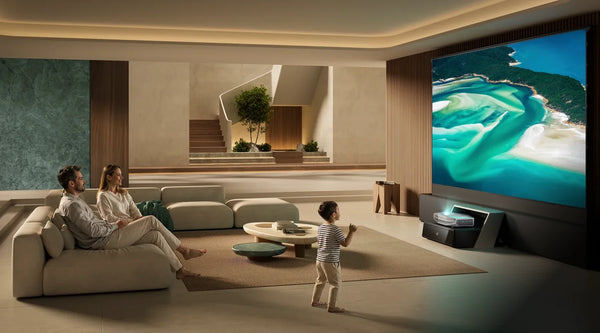
7 Basement Home Theater Ideas with a Style of Their Own
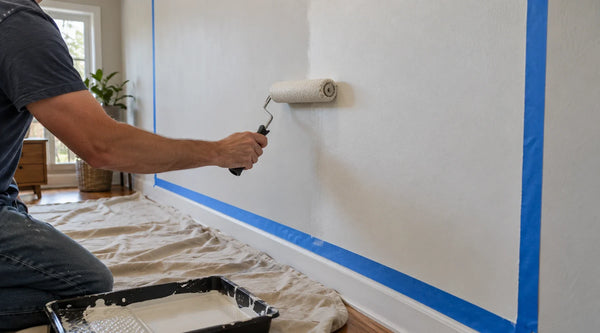
Projector Screen Paint: Is It Worth Painting Your Wall?
A Projector in an Apartment: Make Room for the Screen, Not a Theater

Small Man Cave Ideas: 10 Activity-Based Setups for Limited Space
Frame TV Alternative: A Smarter Vision for the Living Room