






















What Is Color Gamut? A Simple Guide to Display Color
You've landed on a product page for a new TV or projector. The bullet points say things like "100% sRGB," "95% DCI-P3," or "BT.2020 coverage." You know these numbers are supposed to mean something, but the spec sheet doesn't explain them, and most reviews assume you already know.
Color gamut is the term behind all of those numbers. It describes how many colors a screen can physically produce, measured against a known reference point. It's one of the more meaningful specs on any screen, whether you're buying a monitor, a TV, or a home theater projector. Get familiar with it, and suddenly those spec sheets start making sense.
This guide walks through what color gamut means, how it relates to color space and accuracy, which standards to recognize, and how it all connects to what you actually see on screen.
What Is Color Gamut?
Think of color gamut like a box of crayons. A small box gives you the basics: red, blue, yellow, green. A large box gives you dozens of shades in between: coral, teal, violet, chartreuse. A display's color gamut works the same way. A wider gamut means the display can produce more colors, especially richer and more saturated reds, greens, and blues, along with the subtle shades that fall between them.
The human eye can perceive a much broader range of colors than any consumer display can actually show. Every screen, from your phone to your living room TV, can only reproduce a slice of that full range. Color gamut tells you how wide that slice is.
You may see the color gamut shown as a triangle plotted inside a larger diagram called a chromaticity chart. A bigger triangle means a wider gamut. You don't need to understand the chart to use this information; what matters is how a display's gamut compares to the standard it's measured against.

Color Gamut vs. Color Space vs. Color Accuracy
These three terms appear together constantly, and they're easy to mix up.
Color gamut is the range of colors a display can actually produce.
Color space is the reference standard used to define a specific set of colors — sRGB, Rec.709, DCI-P3, and Rec.2020 are all color spaces. They exist so that content creators, displays, and devices all use the same color language.
Color accuracy describes how correctly a display reproduces those colors, how close the colors on screen are to what the content creator intended.
Think of it this way: the color space is the map, gamut coverage is how much of the map the display can reach, and accuracy is how precisely it follows the route. A wide palette with poor accuracy still produces images that look wrong: too punchy, too flat, or shifted in hue.
One important thing to understand: a wide color gamut does not automatically mean good color. A display can cover a wide range of colors, but still look oversaturated or unnatural if it isn't properly calibrated. Gamut is potential; accuracy is execution.
Common Color Gamut Standards You Will See
sRGB and Rec.709
sRGB is the baseline standard for web content, desktop apps, and everyday digital images. Rec.709 is the equivalent baseline for HD video and SDR television. These two standards cover nearly the same range of colors, so strong performance in one usually reflects well on the other.
For basic computing, web browsing, and standard video, accurate sRGB or Rec.709 coverage is usually all you need.
DCI-P3
DCI-P3 is noticeably wider than sRGB. It was originally developed for digital cinema and has since become the standard for HDR displays, premium smartphones, high-end monitors, and most streaming platforms that offer HDR content.
If you're watching modern movies or HDR shows, the content is likely mastered in DCI-P3. A display that can cover a large portion of DCI-P3 — typically 90% or higher — will reproduce those colors more faithfully than one that tops out at sRGB.
Rec.2020 / BT.2020
Rec.2020, also called BT.2020, is a much wider standard used as the reference for UHD and HDR video. It represents colors that are closer to what the human eye can actually see.
The catch: most consumer displays today still cannot fully cover Rec.2020. When a manufacturer describes a product as having "wide color" or "HDR color" without naming a specific standard or percentage, that's often a sign that actual coverage figures are missing. Always look for a named standard alongside the number.
Adobe RGB is another standard worth knowing. It's commonly used in photography and print workflows, but it's less relevant for movie and gaming use cases.
How to Read Color Gamut Percentages
Percentage claims on display spec sheets are common, but they're easy to misread.
100% sRGB means the display can cover the full sRGB range under the test conditions the manufacturer used. It does not mean perfect color accuracy.
95% DCI-P3 means the display covers most of the DCI-P3 standard, which, given how much wider DCI-P3 is than sRGB, still represents excellent color performance for movies and HDR content.
Claims above 100% typically refer to gamut volume or area rather than true in-standard coverage. They're not meaningless, but they require more context before they tell you something useful.
The most important thing to check is the named standard, not just the percentage. A display rated at 100% sRGB is not automatically better than one rated at 90% DCI-P3; the DCI-P3 standard covers a significantly larger range of colors. A higher percentage doesn't automatically mean better coverage if the underlying standard is smaller. Always read the percentage and the standard together.
Why Color Gamut Matters for Movies, Gaming, and Home Theater

Color gamut becomes most visible in content built to use it. Wider gamut makes sunsets look warmer and more layered, animated films appear more vivid, neon city scenes more electric, sports uniforms more distinct, and fantasy game environments richer and more immersive.
HDR is the clearest example of where gamut matters. It's often described in terms of brightness and contrast, but many HDR experiences also depend on wider color capability and better color depth.
The extra brightness HDR delivers only lands the way it should when the display can also reproduce the fuller spectrum: across reds, greens, blues, and the gradations between them, that HDR-mastered content is designed to show.
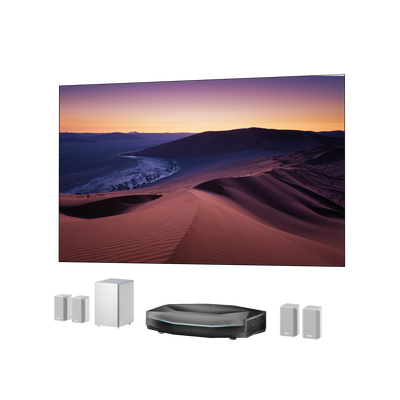
Wide gamut capability in projectors depends heavily on the light source. For example, AWOL Vision's RGB laser lineup emphasizes BT.2020 coverage because dedicated red, green, and blue lasers can reach a wider range of colors than most single-source light engines. That said, a wide gamut only helps when the content has been mastered to support it and the display maps those colors correctly. Without proper tone mapping and color management, the extra range can produce visuals that look unnatural rather than enhanced.

Is a Wider Color Gamut Always Better?
Not always.
For anything produced in standard dynamic range: older films, broadcast television, and most YouTube content, pushing it through an uncalibrated wide-gamut display can make colors look artificially intense. The extra palette becomes a liability rather than an asset.
For everyday office work, web browsing, spreadsheets, and standard video, accurate sRGB or Rec.709 performance often matters more than the widest possible gamut.
For home theater, DCI-P3 coverage is the most practical spec to focus on, with BT.2020 coverage becoming more relevant as content and hardware catch up. Brightness, contrast, room lighting, and calibration remain equally important to the final result.
What Color Gamut Really Tells You
Color gamut tells you the range of colors a display can reproduce. A wider gamut means the potential for richer, more lifelike visuals in HDR movies, games, and home theater, but only when both the content and the display support it and when colors are managed correctly.
When shopping, compare the named standard and the coverage percentage together rather than trusting vague language like "vivid color" or "wide color." Those phrases say nothing without a number and a standard attached.
FAQs
What is color gamut in simple terms?
A color gamut is the range of colors a display can show. A wider gamut is like having a larger box of colors, but it does not automatically mean the colors are more accurate.
What does 100% sRGB mean?
It means the display can reproduce the full sRGB color range under the stated test conditions. It does not guarantee perfect color accuracy.
What is the difference between DCI-P3 and Rec.2020?
DCI-P3 is the standard behind most modern cinema and HDR streaming content. Rec.2020 is a broader reference used for UHD video that most consumer displays can only partially reach.
Does color gamut matter for projectors?
Yes, especially for HDR movies, gaming, and home theater. However, projector image quality also depends on brightness, contrast, screen quality, room lighting, and color management.
Be the First to Know
Subscribe for special deals, news, and important product information, and get your exclusive $100 discount.
Related Articles

Rec2020 Explained: Color Gamut, HDR and Picture Quality
Projector Says No Signal? How to Find and Fix the Problem

Why Is My Projector Blurry? 8 Causes and the Fixes That Work

Projector Lens Shift Explained: How Much Placement Freedom You Actually Get
Projector Lens Replacement: Can You Replace or Repair the Lens?