












How to Choose the Right Screen for Your Ultra Short Throw Projector
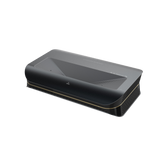
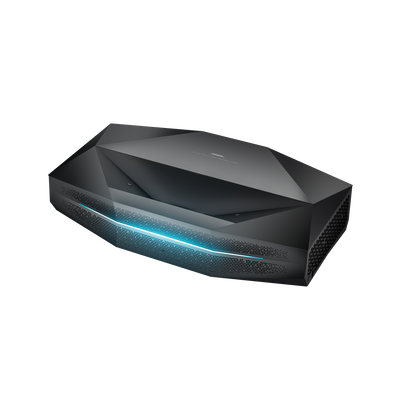
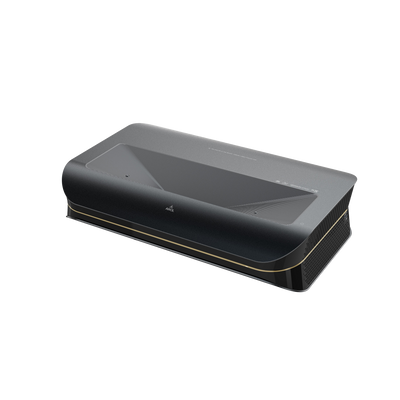
Home theaters face an increasing demand for Ultra Short Throw (UST) projectors day by day due to the innumerable features they offer. UST projectors deliver stunning visual clarity, incredible brightness, and crisp details while remaining incredibly space-efficient.
However, to unlock the true potential of a UST projector and enjoy an immersive cinematic experience, selecting the correct home theater screen is not just an option—it’s a necessity. This comprehensive buying guide will walk you through exactly how to choose the right screen based on your room lighting and setup.
Is a Projector Screen a Must?

People often wonder whether it is worth spending their budget on a dedicated screen when they have a large, empty wall. If you want a genuinely immersive, high-fidelity experience, a proper UST projector screen is essential.
Here is why projecting on a bare wall falls short:
- The "Wavy Image" Problem: UST projectors cast light from the bottom up at a very steep angle. Because of this, even the slightest microscopic bumps or imperfections on a standard wall will cast long shadows, creating a distorted, wavy image. A tensioned projector screen provides a perfectly flat canvas.
- Improved Perceived Brightness and Clarity: A high-quality screen is coated with optical materials designed to reflect light consistently back to the viewer, noticeably improving image uniformity and sharpness compared to standard wall paint.
- Ambient Light Rejection (ALR): This is the most critical factor. Standard walls reflect light in all directions and cannot separate projector light from room light. ALR screens are engineered to absorb or deflect ambient light (like overhead bulbs or sunlight), preserving contrast and deep blacks.
Start Here: Pick Your Screen by Room Lighting

AWOL Vision offers multiple screen technologies designed specifically for different lighting environments. The easiest way to choose your screen is to evaluate the room where you will be using your projector.
1) Bright Living Room (High Ambient Light, Curtains Open)
Recommended: New Gen DayLight Series Fresnel ALR Screen
The Upgrade Point: If you want to use your projector like a massive daytime TV, this is the ultimate solution. Our New Gen Fresnel Screen features a massive 1.5 Peak Gain (36% brighter than the previous generation), helping the image pop even with sunlight streaming in. It actively rejects up to 85% of ambient light from the ceiling and sides.
The 150-Inch Breakthrough: While standard screens at larger sizes require stitching (which creates visible seams), our new Daylight ALR screen is the world’s first seamless, one-piece 150-inch Fresnel screen. Paired with a high-lumen projector like the AWOL Vision Aetherion, it delivers a flawless, wall-to-wall daytime cinematic experience.
2) Controlled Living Room (Curtains Closed, Some Ceiling Light)
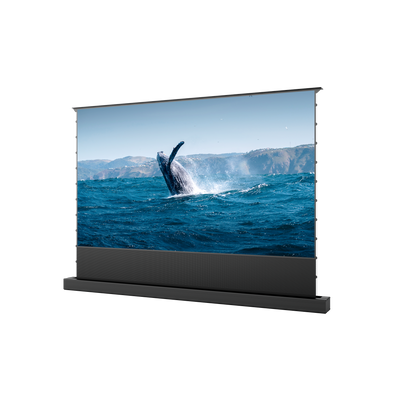
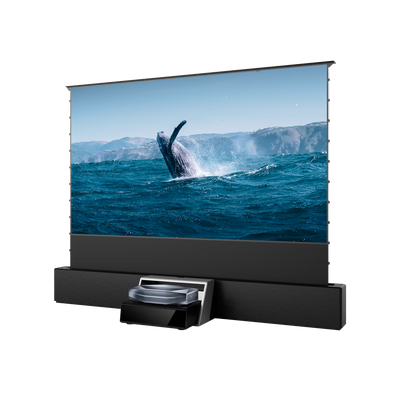
Recommended: Cinematic Series ALR Screen (Wall-Mount or Floor Rising)
The Benefit: If you mostly watch movies in the evening or can draw the curtains during the day, the Cinematic Series is incredibly versatile. It features a Black-Grid TPU material that rejects up to 95% of ceiling light while offering a super-wide 170° viewing angle. This ensures everyone in the room gets a perfect picture, no matter where they are seated.
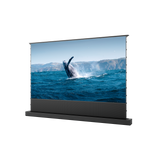
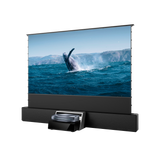
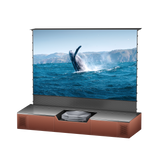
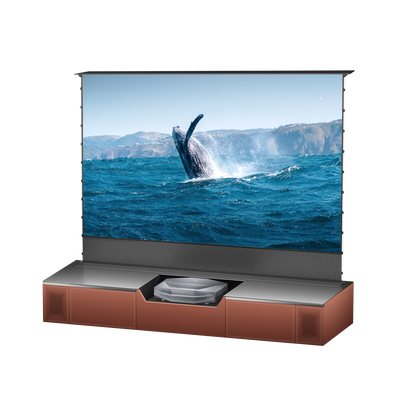
Form Factor Choice: You can choose a traditional Wall-Mount frame or opt for the Motorized Floor Rising version. The floor-rising projector screen is perfect for minimalist spaces—it pairs seamlessly with projector cabinets (like the Vanish TV Cabinet) and disappears completely when not in use.
3) Dedicated Home Theater (Pure Dark Room, Lights Off)
Recommended: Matte White Screen
The Benefit: In a pitch-black, dedicated media room, you don't need to fight ambient light. A Matte White screen (featuring a 1.3 gain) offers the highest color accuracy, excellent image uniformity, and a massive 170° viewing angle. (Read more: Do You Need a Dark Room for a UST Projector?)
Note: Matte white screens do not reject ambient light. If you prefer to keep some dim lights on in your theater room, the Cinematic ALR Series remains a superior choice to maintain contrast.
Other Key Considerations on Projector Screens
Size and Immersion
With older technology, UST projectors were often limited to 100 or 120 inches. However, with the advancements in modern RGB Triple Laser projectors (like the Aetherion series) and seamless screen manufacturing, 150 inches is the new gold standard for true immersion. When choosing your size, ensure you measure your wall space and confirm your projector’s throw ratio capabilities. (Guide: What Size Projector Screen Do I Need?)
Fixed vs. Motorized

Fixed-Frame Screens: These offer a permanent, classic cinema look on your wall. They provide the best tension and are generally more cost-effective.
Motorized Floor Rising Screens: These are ideal for multi-use living rooms. They rise from the floor (or a custom cabinet) at the push of a button, preserving your interior design aesthetics when the projector is off.
Outdoor Usage
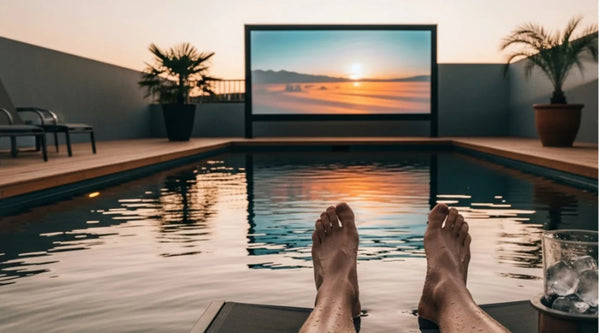
If you plan to take your entertainment outside, remember that ambient light is even harder to control. An ALR screen can help, but for the best results during outdoor movie nights, wait for dusk or use a high-brightness projector.
Conclusion
Your projector is only as good as the surface it shines on. By taking the time to evaluate your room's lighting conditions and selecting the appropriate ALR or Matte White technology, you ensure that you get the absolute best performance, contrast, and color out of your investment.
Whether you are building a dedicated dark-room theater or a 150-inch daytime entertainment hub with the New Gen Daylight screen, pairing your AWOL Vision projector with the right screen is the definitive step toward ultimate cinematic immersion.
Be the First to Know
Subscribe for special deals, news, and important product information, and get your exclusive $100 discount.
Related Articles
Upgrade Your UST Setup: Is AWOL LuxVision Right for Your Room?
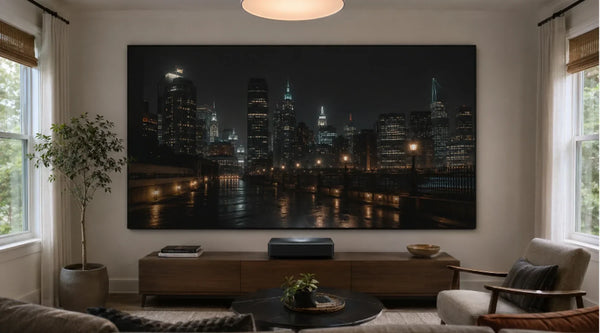
Black Projector Screen: Is It Right for Your Room?
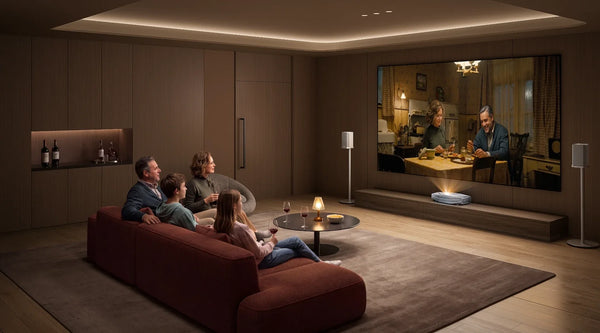
WiFi Projector Buying Guide: Features That Actually Matter
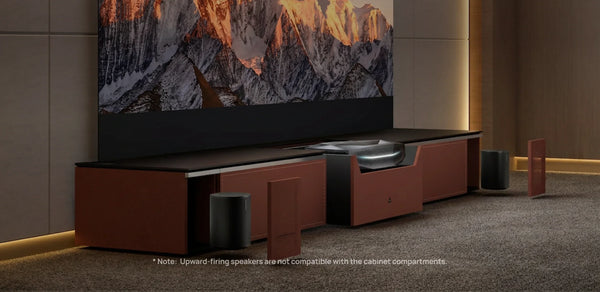
How to Create a Modern Living Room with an Ultra Short Throw Projector Cabinet?
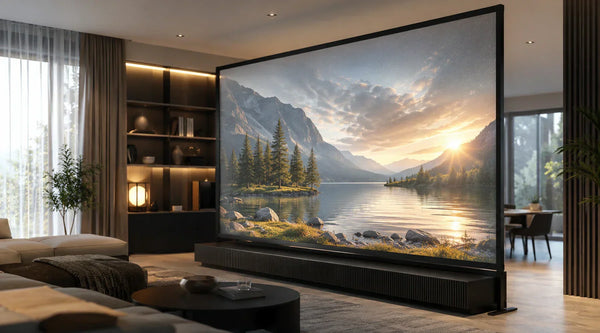
Rear Projection Screen Guide: Best Materials Options