






Laser Projector vs. LED Projector: Which Is Better?
A large-screen movie night calls for something different from a projector you can carry between rooms. Before choosing between laser and LED, think about where the picture will appear. Will you watch in a dark home theater, or in a living room where daylight is part of the equation?
For a dedicated home theater, laser projection brings the brightness and color capabilities needed to support a more demanding setup. LED projectors take a different approach, with compact models that are easier to move and often cost less upfront.
There's also an important distinction within laser projection itself. Laser phosphor and RGB triple laser systems produce color differently, and understanding that difference helps explain why two laser projectors may deliver very different pictures.
How Do Laser and LED Projectors Work?
LED projectors use light-emitting diodes to illuminate the image. Some projectors use separate red, green, and blue LEDs, while others rely on a different arrangement of LED light sources.
Semiconductor lasers provide the illumination in laser projectors. The two main configurations are laser phosphor and RGB triple laser, distinguished by how they generate the colors used to form an image.
In a typical laser phosphor system, blue laser light excites a phosphor wheel, producing converted light for the imaging system. RGB triple laser takes another route: separate red, green, and blue lasers generate the primary colors directly. This configuration gives RGB systems a strong foundation for wide-gamut color reproduction.
Once the light is generated, the imaging system takes over. DLP, LCD, and LCoS technologies control how that light forms an image, and the optical assembly carries it through the lens onto the screen. This is why the light source alone cannot explain a projector's overall picture quality. Learn more about how projectors work.
What Are the Key Differences Between Laser and LED Projectors?
The differences become clearer when you compare brightness, color reproduction, maintenance, and typical applications side by side. The table below summarizes how the three light-source configurations approach these areas.
|
Feature |
LED Projector |
Laser Phosphor |
RGB Triple Laser |
|
Light source |
Semiconductor LEDs |
Laser with phosphor conversion |
Separate red, green, and blue lasers |
|
Brightness profile |
Broad range, including compact models |
Common in high-brightness systems |
Can combine high brightness and wide-gamut color |
|
Color gamut |
Depends on LED and optical design |
Depends on phosphor and optics |
Strong wide-gamut potential |
|
Maintenance |
No routine lamp replacement |
No routine lamp replacement |
No routine lamp replacement |
|
Potential limitations |
Some compact models have limited output |
Performance varies by system |
Higher initial cost; possible laser speckle |
|
Common applications |
Portable and home entertainment |
Home and professional projection |
Premium home theater and large-screen viewing |
Brightness and Ambient Light Performance

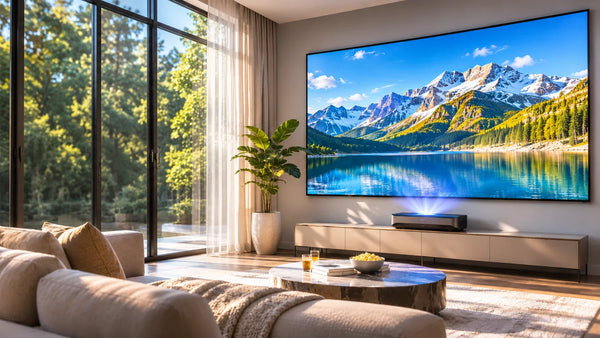
Imagine moving the same projector from a bedroom wall to a much larger living room screen. Even without changing the picture settings, the expanded image spreads the available light over a greater area. Add daylight, and maintaining a satisfying picture becomes harder.
High-brightness projection is a common application for laser phosphor systems. RGB laser adds another advantage by combining substantial light output with the potential for wide-gamut color. In the portable LED category, designers often make different trade-offs, giving greater attention to size and ease of transport.
The technology label alone doesn't settle the brightness comparison. A high-output LED model can produce a brighter image than a laser projector with a lower rated output. Published brightness figures offer a more reliable basis for comparing individual models.
Before comparing brightness figures, check how each one was measured. Manufacturers report output in ISO or ANSI lumens, which follow different measurement standards. Keeping the standard consistent makes model-to-model comparisons more meaningful.
- Dark rooms: A smaller screen in a controlled-lighting environment can deliver a satisfying picture without requiring maximum brightness.
- Rooms with ambient light: Additional output helps keep the image visible, although it cannot fully restore black levels or shadow detail lost to surrounding light.
- Large screens: As the projected image grows, the available light spreads across a larger area, making higher output increasingly important.
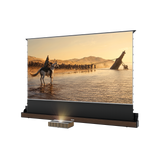
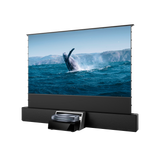
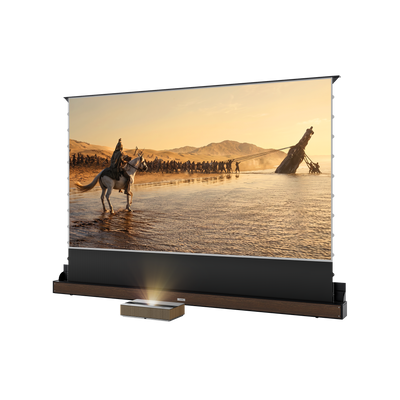
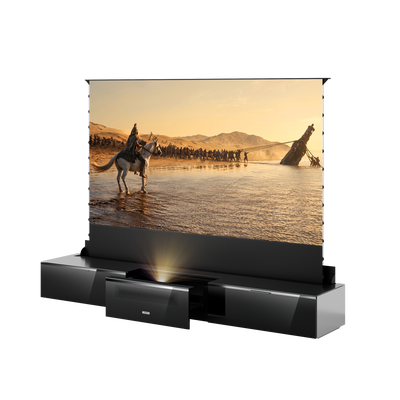
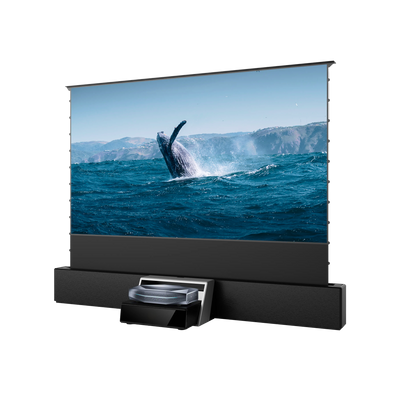
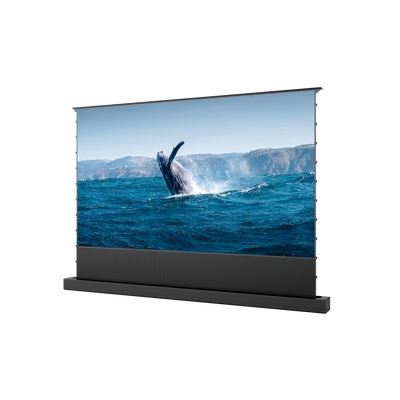
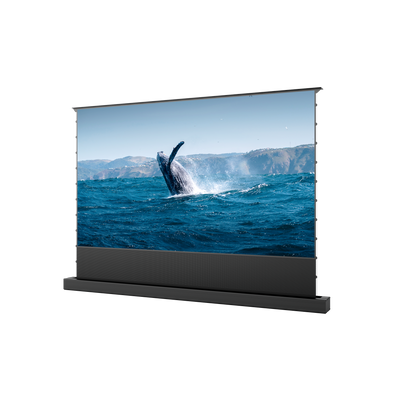
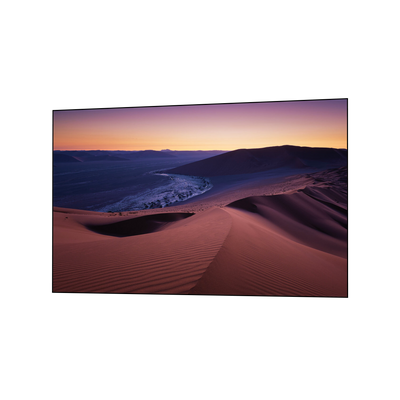
The projection surface matters, too. A compatible ambient light rejecting (ALR) screen can reduce the impact of surrounding light and help preserve perceived contrast. The linked AWOL Fresnel ALR screen is intended for compatible ultra-short throw (UST) projectors, not conventional long-throw installations.
For afternoon sports with the curtains open, prioritize the projector-and-screen combination rather than brightness specifications alone. The room where you'll actually watch is the most useful test environment.
Color Gamut and Picture Quality
Brightness determines only part of what makes a projected image engaging. Color reproduction can make two similarly bright projectors look noticeably different, particularly when a film includes richly saturated scenes.
A projector's color gamut describes the range of colors it can reproduce. RGB triple laser systems use dedicated red, green, and blue sources, giving them strong potential to cover a wider range than many conventional illumination designs.
That capability becomes relevant for content mastered to standards such as DCI-P3 and Rec.2020. Broader coverage gives a compatible projector the ability to reproduce more of the intended colors, provided the remaining imaging system can handle them effectively.
Laser phosphor designs can also produce impressive colors, and a capable LED projector needn't look dull beside a laser model. The actual result reflects the illumination system, optics, processing, and calibration working together.
It's worth separating color gamut from color accuracy. A wide gamut describes how many colors are available; accuracy concerns whether those colors appear as intended. Even with broad color coverage, accurate reproduction still requires proper calibration. Otherwise, the displayed colors may not match the filmmaker's original intent.
Dark scenes introduce another consideration: contrast and black levels. Neither light source guarantees deep blacks on its own. The imaging system, optical design, light control, screen, and room conditions all influence how much detail remains visible in shadowed areas.
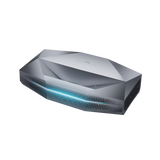
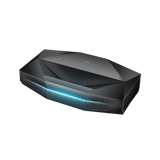
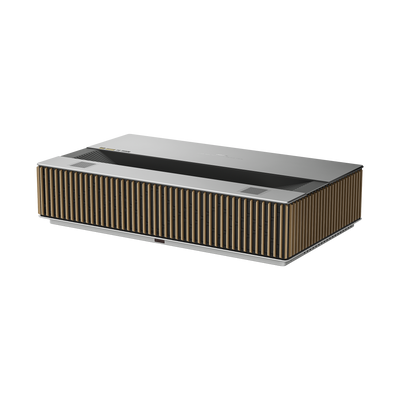
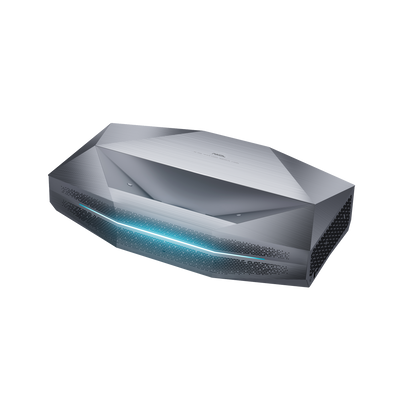
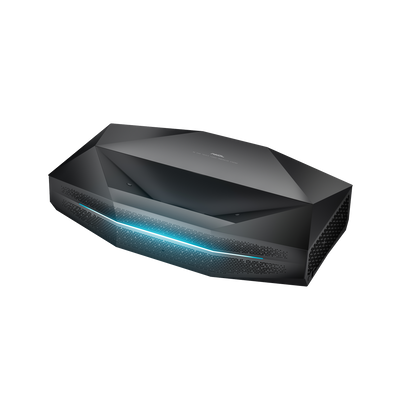
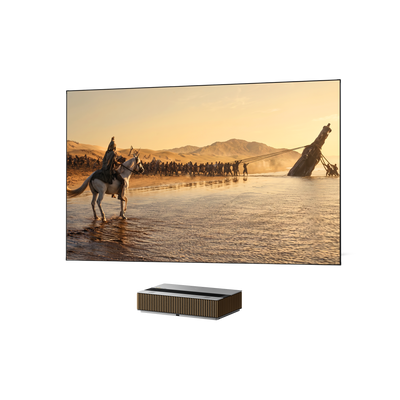
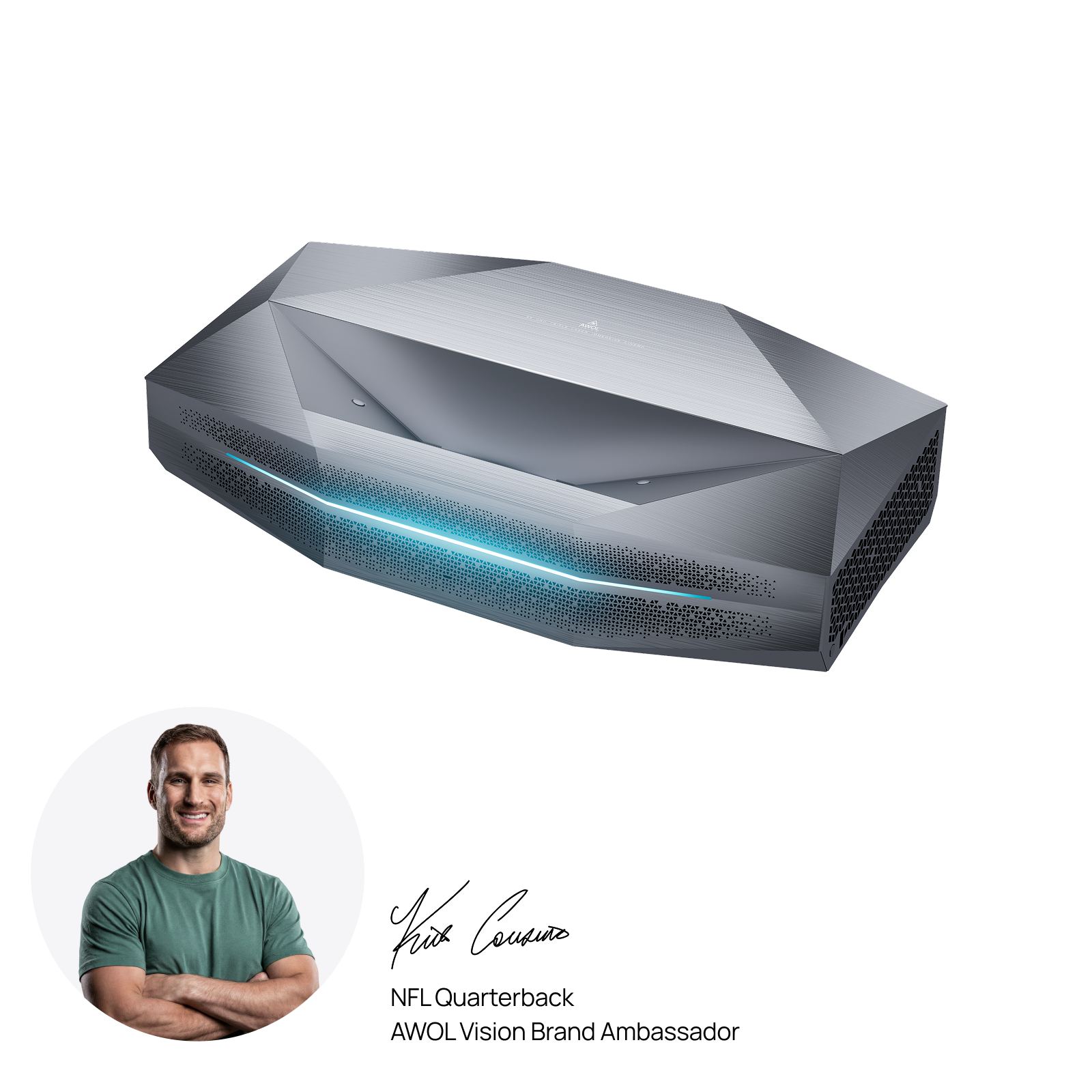
For a dedicated home theater where wide-gamut reproduction is a priority, the Aetherion Max offers a concrete example of RGB triple laser technology.
DCI-P3 and Rec.2020 figures are useful only when you know what range of colors they represent. A closer look at projector color gamut makes these specification numbers easier to interpret.
Lifespan and Brightness Degradation
Unlike traditional lamp-based models, LED and laser projectors don't need periodic bulb replacements. Their solid-state light sources are designed for extended operation, although the rated lifespan differs across products.
The lifespan number on a specification sheet shouldn't be read as a sudden expiration date. Light output generally diminishes gradually with use, a process known as brightness degradation. Reaching the rated lifespan doesn't mean the projector immediately stops working. It means the light source has reached its specified operating-life benchmark, and brightness may have declined from its original level.
A projector used for several hours each day places different demands on its cooling system from one used occasionally. Operating temperature and heat management also affect long-term performance. The rated lifespan is only part of the picture; how long projectors last also depends on brightness retention and operating conditions.
Price, Maintenance, and Long-Term Value
A portable LED projector is often a more accessible starting point for casual viewing. Moving into premium laser projection, particularly RGB triple laser, usually means paying more for the illumination system and optical engineering.
The initial purchase price is only part of the picture. Both solid-state technologies avoid routine lamp replacement, but the projector still needs ventilation, cleaning, and proper care. These are ordinary ownership considerations, not reasons to favor one light source automatically.
Electricity costs are worth checking if your projector runs for several hours each day. Rated wattage, brightness, and operating mode provide a better basis for comparison than broad assumptions about LED or laser efficiency.
Consider how much use you'll get from the additional performance. If you only watch a movie now and then on a modest screen, the extra investment in a premium system may bring little practical benefit. For frequent large-screen viewing where brightness and color matter every time you sit down, the higher initial price may be easier to justify.
What Are the Potential Drawbacks of Laser and LED Projectors?
Every projection system involves compromises. Some arise from its light source; others reflect how the image is formed or the trade-offs required by a compact design.
Laser Projector Limitations
Laser Speckle

On some laser projectors, viewers may notice a fine, grain-like shimmer across parts of the picture. The grain-like pattern is called laser speckle. It results from interference between coherent light waves after laser light scatters from the projection surface.
A textured or specially designed projection surface can make the effect more or less noticeable, as can the projector's optical system. Viewer sensitivity also plays a part, which explains why two people may react differently to the same projected image.
Speckle-reduction technology can limit the effect, but the screen remains part of the equation. The visibility of laser speckle in projectors is shaped by the interaction between the projector's optical system and the surface receiving the image.
Rainbow Effect

Brief flashes of separated color, sometimes visible around bright objects against dark backgrounds, are known as the rainbow effect (RBE).
Unlike speckle, this isn't a laser-specific issue. RBE is associated with sequential color presentation in certain imaging systems, including some single-chip DLP designs. It can occur with different light-source technologies, so classifying it solely as a laser drawback would be misleading.
People vary in their sensitivity to the effect. If you've noticed it in the past, an in-person demonstration using high-contrast footage is more informative than a specification sheet.
LED Projector Limitations

A compact LED projector may have enough brightness for a bedroom movie night yet struggle with a larger image or substantial daylight. The limitation often reflects the priorities of a small, portable design rather than LED technology as a whole.
Compact hardware can also involve compromises in cooling, optics, and other components. Larger LED models may perform considerably better, making the individual projector's specifications more useful than its category label.
Which Is Better: A Laser or LED Projector?
The most useful decision starts with the viewing experience you're trying to create. Three common setups illustrate where each option tends to make sense.
For Dedicated Home Theaters
A dedicated theater gives you more control over lighting and seating distance, making it easier to build a setup around a large screen. This is where high-performance laser projection has a clear appeal, particularly for viewers who value strong light output and broad color reproduction.
For wide-gamut HDR movies, RGB triple laser is worth a closer look because its separate primary-color sources support an expanded range of color reproduction. Paired with suitable imaging hardware and calibration, its color potential can help create a richer cinematic presentation.
For Living Rooms With Ambient Light
Living rooms are less predictable. A sports broadcast may happen in daylight, while a movie begins after sunset. Any projector in this environment must contend with changing light levels.
A bright laser model is worth considering, although sunlight can still reduce perceived contrast. Installation distance matters, too: a conventional projector may need considerable space behind the viewer or screen.
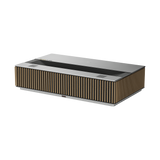
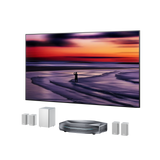
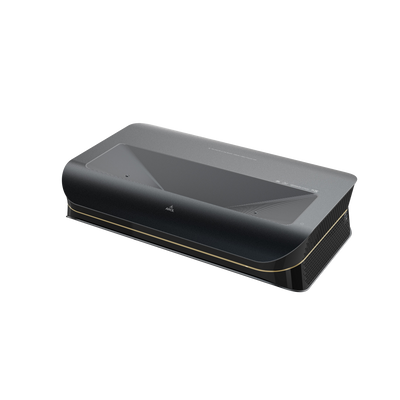
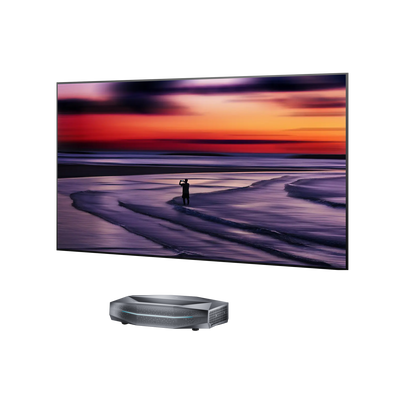
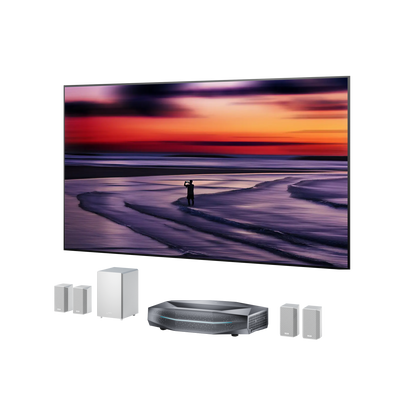
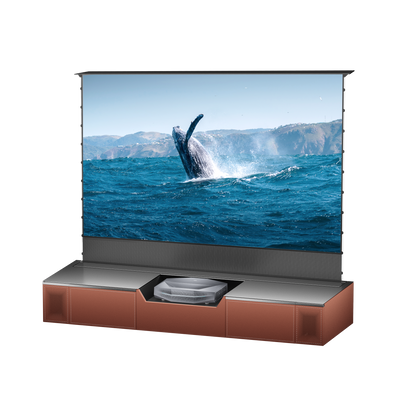
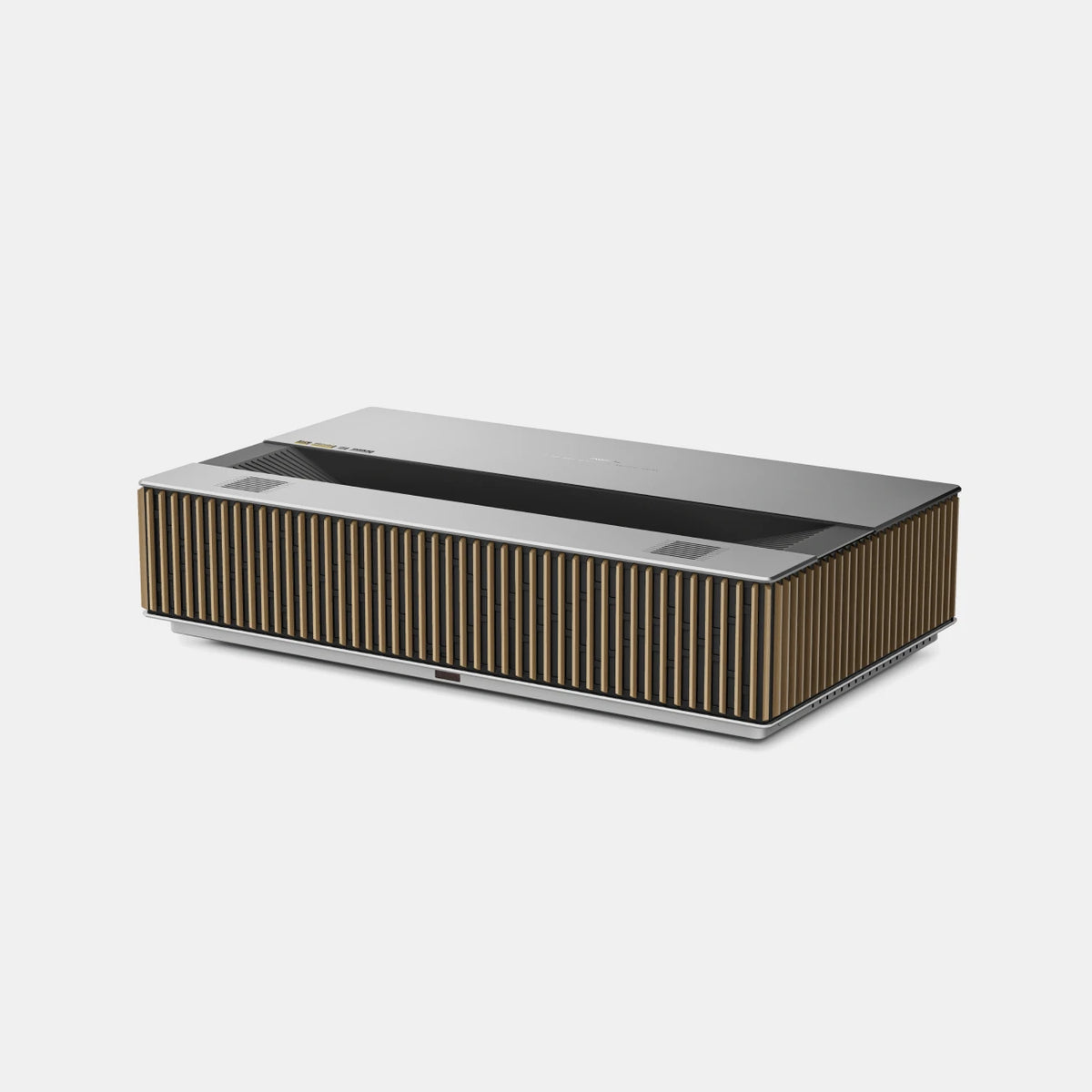
An ultra-short throw projector can create a large image from much closer to the wall. For premium living room home theaters, the AWOL Vision LuxVision offers this UST approach without requiring the long projection distance of a conventional projector.
A capable LED model remains an option when the screen is smaller and room lighting is easier to control.
For Portable and Casual Viewing
If you move the projector between rooms, take it on trips, or use it mainly for occasional movie nights, compactness may outweigh maximum output.
Portable LED projectors offer plenty of choices in this category, including some with battery-powered operation. A smaller screen in a reasonably dark space often makes their brightness limitations less significant.
Compact laser models exist as well. Make sure the model's weight, power supply, and setup requirements fit the way you plan to use it.
A projector that performs well in a showroom may behave differently in your home. Whenever possible, evaluate the image at a similar screen size and under comparable lighting. Pay attention to the details that will shape everyday viewing, from shadow visibility to screen compatibility and installation distance.
Frequently Asked Questions
Does a laser projector use more electricity than an LED projector?
The light source alone doesn't determine electricity use. A projector's rated wattage provides a more direct indication of its power demand, while brightness and operating mode help explain how much energy it uses during viewing. Compare these figures between individual models rather than drawing conclusions from LED or laser technology alone.
Does a laser projector require a special screen?
Many laser projectors work with standard projection screens. The projector's throw type is more important: conventional long-throw models offer broader screen choices, while UST models generally benefit from a compatible UST ALR screen, particularly in rooms with ambient light.
Be the First to Know
Subscribe for special deals, news, and important product information, and get your exclusive $100 discount.
Related Articles

Projector Dead Pixels: How to Identify, Test, and Fix
High Lumen Projector: How Much Brightness Does a Living Room Really Need?
What Is Dynamic Iris on a Projector? A Smarter Way to Optimize Contrast

How Much Does a Projector Cost? A Guide to Setting Your Budget

How to Choose the Best Wall Color for a Projector

