



















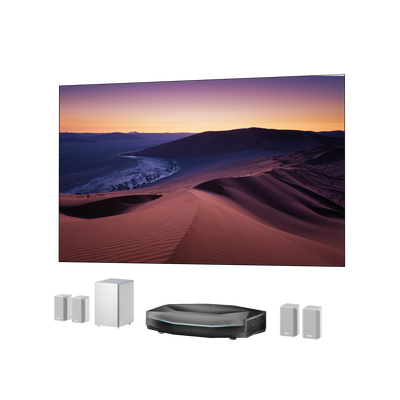


10 Small Home Theater Ideas That Make Every Inch Count
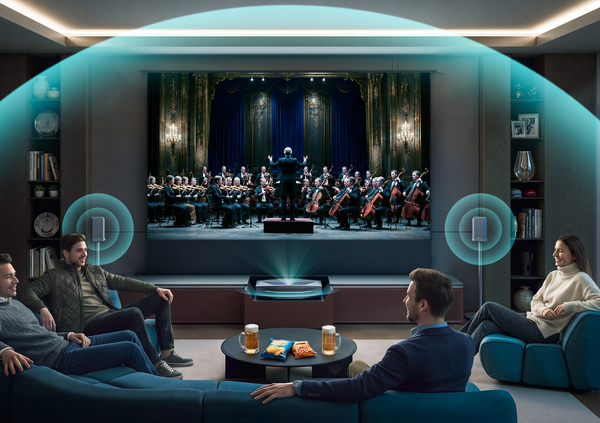
Creating a dedicated cinema experience doesn't require a dedicated basement or a sprawling mansion. In fact, compact spaces often deliver a cozier, more immersive viewing atmosphere—if you design them smart.
Whether you’re transforming an apartment alcove or a corner of your living room, maximizing square footage is all about optical illusions, versatile hardware, and clever layouts. Here are 10 small home theater ideas that make every single inch count.
1. Give the Screen One Calm, Uncluttered Wall
In a small room, visual clutter near the picture feels more distracting because everything sits close together. Treat the screen as the focal point and keep its immediate surroundings quiet. A low console, two compact speakers, or narrow fabric panels can frame the image without crowding it. Move tall shelves, bright artwork, and reflective objects to the side or rear walls.
The goal is hierarchy, not a bare room: storage and decor should support the screen instead of competing with it.
2. Prioritize One Great Row Over Two Tight Rows
Two rows look theatrical in photographs, but they need room for sightlines, legroom, circulation, and a safe step up to the riser. In many compact rooms, one well-positioned row keeps viewers near the center and avoids pushing rear seats against speakers or the back wall.
If extra seats are only needed occasionally, add lightweight ottomans, floor cushions, or folding lounge chairs for guests. A second permanent row should earn its space, not exist simply to imitate a commercial cinema.
3. Measure Furniture by Its Extended Footprint
Never rely on folded or standard product dimensions when buying cinema furniture. A wall-hugger recliner needs rear clearance, deep plush sectionals push viewers too close to the screen, and extra-wide armrests eat up space that could otherwise accommodate another viewer.
| Seating Style | Space Efficiency | Best For |
|---|---|---|
| Wall-Hugging Recliners | High | Maximum personal comfort with minimal rear tilt clearance. |
| Low Modular Sectionals | Very High | Flexible family lounging; easy to tuck flush into corners. |
| Compact Loveseats | High | Ultra-tight rooms where floor width is strictly limited. |
| Daybeds / Convertible Sofas | Medium | Dual-purpose rooms requiring guest bed functionality. |
4. Transform Spare Bedrooms into Convertible Theaters
A guest bedroom or home office can double as a high-end mini theater without losing its primary function. Replace a traditional queen bed frame with a sleek sleeper sofa or a low-profile daybed positioned directly across from the screen.
Swap heavy coffee tables for nested C-tables that slide effortlessly under the sofa when not in use. Use dark blackout curtains that look refined during the day, and utilize storage ottomans to hold bedding, gaming controllers, remotes, and extra throws. Keeping the conversion process simple ensures the room transitions between guest room and movie lounge in under two minutes.

5. Keep the Projection Path Out of the Walkway
Traditional long-throw projectors cast light across the entire room from ceiling mounts or rear shelves. In a compact space, this long optical path frequently intersects with walkways, overhead light fixtures, and high-backed seating.
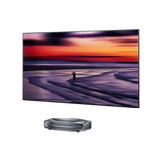
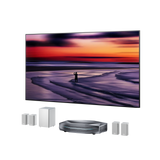
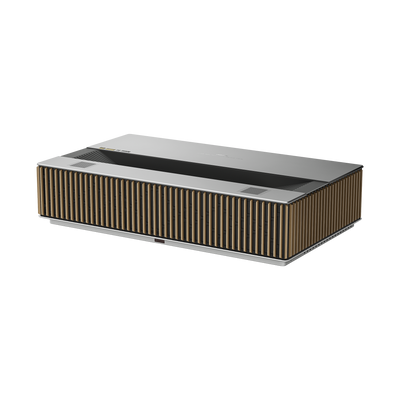
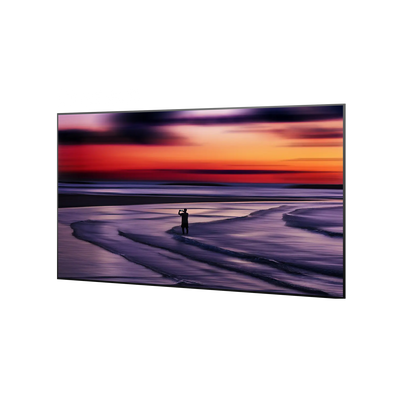
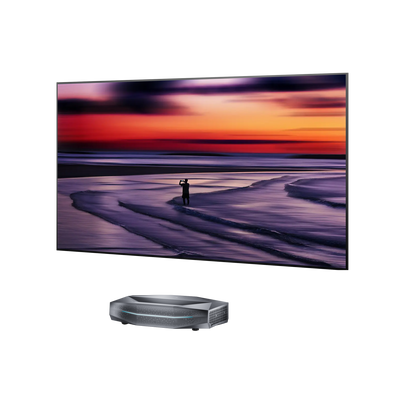
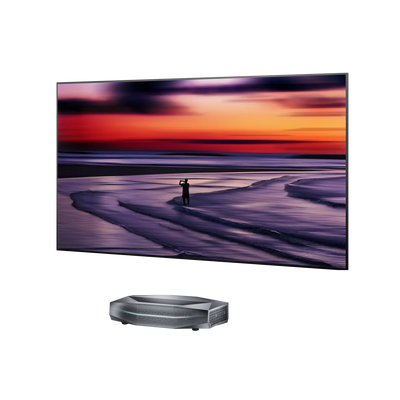
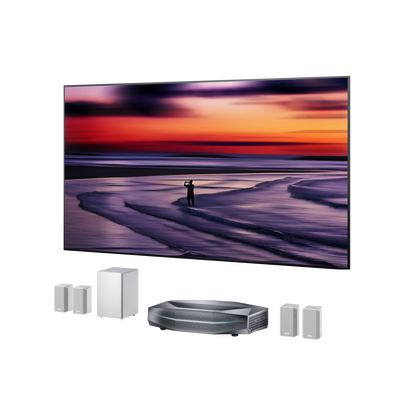
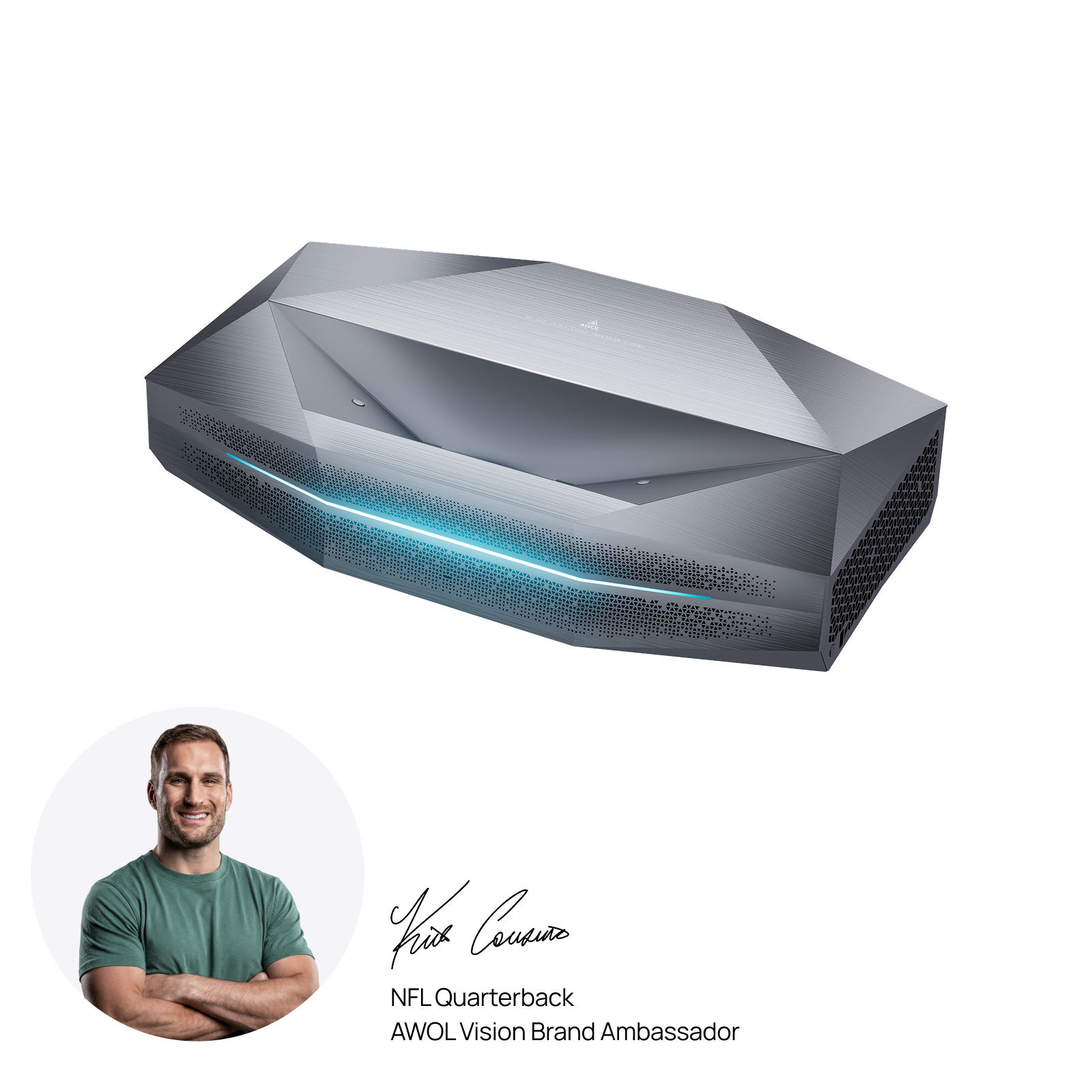
An Ultra-Short Throw (UST) projector shifts the optical path completely to the front of the room. Positioned just inches from the display wall on a low cabinet, it keeps all movement behind the light engine while leaving your ceiling clean and rear walls available for acoustic treatment or storage.
For maximum small-space performance, advanced UST models like the AWOL Aetherion Max feature an ultra-tight 0.2:1 throw ratio, delivering a massive 4K image from a remarkably short distance. Packed with 3,300 ISO lumens, a 6,000:1 native contrast ratio, and sharp PixelLock™ technology, it delivers vivid color and razor-sharp contrast even in cozy, multi-use spaces.
6. Conceal the Screen When Powered Off
A permanent, massive black screen on the front wall can dominate a small room and prevent it from feeling cozy during non-movie hours. Concealing the display screen maintains room flexibility.
- Motorized Drop-Down Screens: Mount the screen housing inside a ceiling recess or behind a decorative soffit so it vanishes completely when turned off.
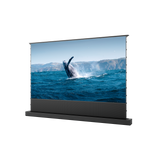
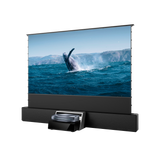
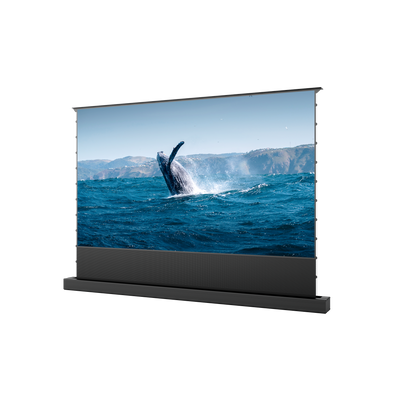
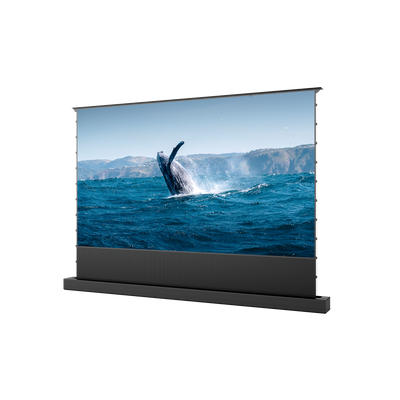
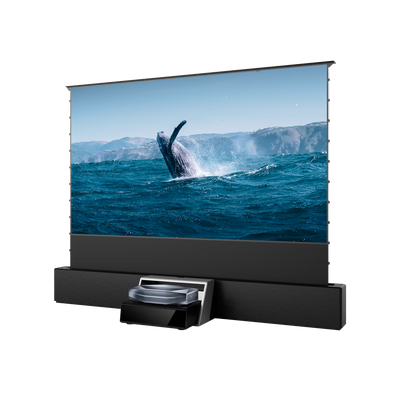
- Floor-Rising Tensioned Screens: Paired with UST projectors, floor-rising screens pull up smoothly from a low base during use and retract into an ultra-low profile when idle.

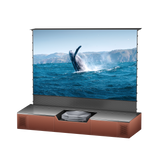
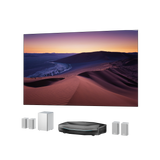
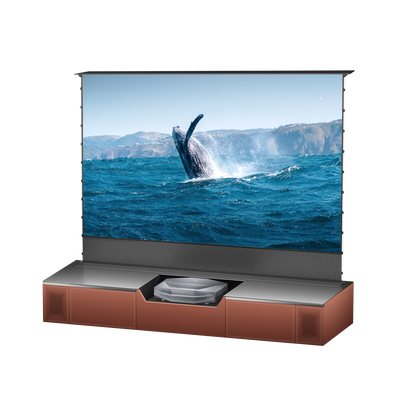
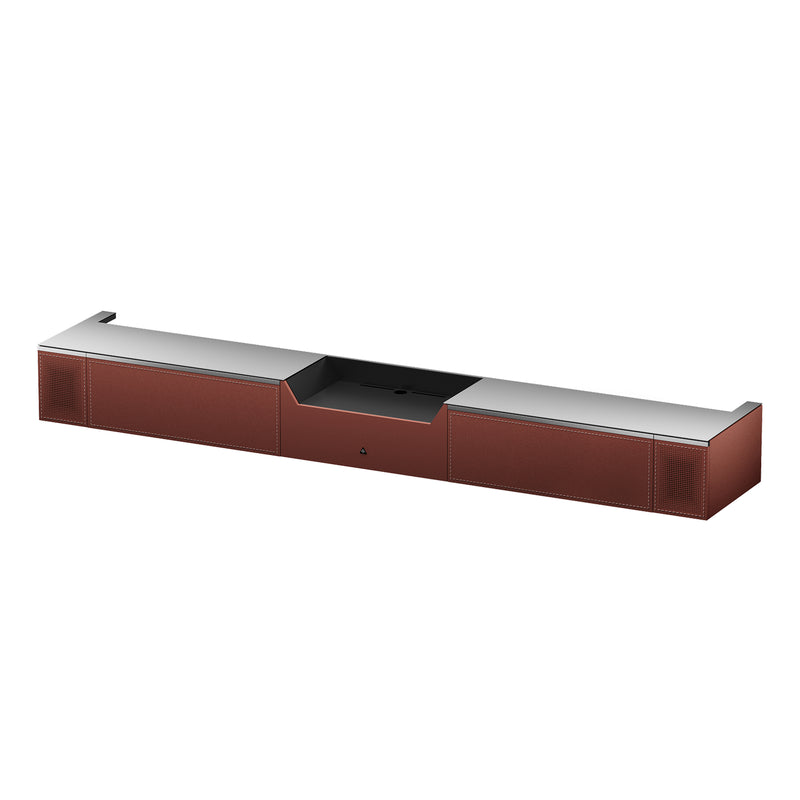
- Integrated Furniture Systems: Solutions like AWOL Vision New Gen Vanish TV Cabinet consolidate the UST projector, a motorized 120-inch or 130-inch floor-rising screen, soundbar, cables, and media players into a single, beautifully finished cabinet.
7. Darken the Front Zone
Light bouncing off light-colored walls near a bright display washes out contrast and distracts the eye. Applying dark, low-sheen paint colors around the screen absorbs stray light bounce and draws viewer focus straight into the picture.
Deep charcoal, matte navy, dark olive, or muted burgundy work exceptionally well on the front screen wall and the first few feet of the adjacent ceiling. However, you don't need to paint the entire room black. Keeping the rear or side walls a few shades lighter prevents a small room from feeling boxy or claustrophobic when the house lights are turned on.
8. Layer Low, Dimmable Ambient Lighting
Single overhead light fixtures present an annoying choice: an overly bright room or pitch blackness. A well-designed small theater utilizes layered, indirect accent lighting that guides safe movement without spilling onto the display.
- Wall Sconces: Choose indirect, downward-casting sconces that keep light off the ceiling.
- Cove & Baseboard LEDs: Install hidden LED light strips along baseboards or architectural coves to provide subtle floor-level navigation during a film.
- Smart Dimmer Control: Put primary overhead lighting and ambient movie lighting on separate dimming zones to easily toggle between room cleanup and cinema mode.
9. Make Acoustic Treatment Part of the Wall Decor
Small rooms can sound lively because nearby hard surfaces reflect sound back toward the seats. A rug, lined curtains, upholstered furniture, and fabric-wrapped acoustic panels can reduce excessive reflections. Panels do not have to resemble studio foam. They can use coordinated fabrics, vertical proportions, or wood slats to create rhythm along a wall.
Acoustic treatment improves sound inside the room; it does not automatically stop bass or dialogue from traveling into adjacent rooms. True sound isolation may require changes to walls, doors, ceilings, and construction details. For the playback system itself, compare a compact soundbar vs. speakers based on available placement, listening priorities, and tolerance for visible equipment.
10. Commit to One Strong Cinema Cue

A small space needs personality, but it benefits from editing. Choose one memorable feature: a tidy grid of favorite movie posters, a pair of vintage-inspired sconces, a narrow curtain framing the screen, or a slim snack shelf near the entrance. Repeat its colors or materials elsewhere in small doses.
Too many signs, props, light strips, and themed objects can shrink the room visually. One deliberate cinema cue feels more convincing than a collection of decorations competing for attention.
Geometry First, Decor Second
Creating an exceptional small home theater comes down to solving room geometry before selecting paint colors or hanging decor. Confirm your screen wall, establish comfortable sightlines and clearance paths, hide bulky hardware, and let your screen take center stage. When every inch has a clear purpose, even the smallest room delivers a big-screen experience.
Frequently Asked Questions
How small can a home theater room be?
A room of about 8 × 10 feet can support a practical one-row home theater. Smaller spaces may still work, but seating, speakers, equipment, and the route to the door quickly compete for the same floor area.
What screen size is best for a small home theater?
The best size depends on viewing distance, screen shape, resolution, and personal comfort. Mark several screen sizes with painter's tape and watch familiar content from the planned seats. For most small home theaters with an 8- to 10-foot viewing distance, a 75- to 100-inch 16:9 screen is a practical range.
Is a projector or TV better for a small home theater?
A TV is simple to place and works well with ambient light. A projector can create a larger image, but it requires the right throw distance, screen, light control, and installation. This projector vs. TV comparison explains the wider trade-offs.
What color should a small home theater be?
Use dark, low-sheen colors near the screen to limit visible reflections. Charcoal, navy, deep olive, brown, and burgundy are practical options. The side and rear walls can be slightly lighter if an all-dark room feels too enclosed, provided glossy or highly reflective finishes are avoided.
Be the First to Know
Subscribe for special deals, news, and important product information, and get your exclusive $100 discount.
Related Articles
7 Basement Home Theater Ideas with a Style of Their Own
Projector Screen Paint: Is It Worth Painting Your Wall?
A Projector in an Apartment: Make Room for the Screen, Not a Theater
Small Man Cave Ideas: 10 Activity-Based Setups for Limited Space
Frame TV Alternative: A Smarter Vision for the Living Room