















Are Short Throw Projectors Better?
Planning a home theater can quickly become overwhelming. Between calculating ceiling mount distances, routing thirty feet of HDMI cables through your drywall, and ensuring nobody stands up and blocks the beam during a movie, traditional projector setups often feel like more trouble than they are worth.
If you find yourself asking if are short throw projectors better—or more specifically, if modern Ultra-Short Throw (UST) models are the right choice for your space—the short answer is yes, but it depends on your room. For most modern living rooms, gamers, and home entertainment enthusiasts, UST projectors have evolved beyond a niche alternative into a total replacement for the traditional television.
Here is exactly how they compare, where they excel, and how to know which technology is right for your home.
The Quick Recap: Throw Ratios Explained
Before deciding which is better, it helps to understand what "throw" actually means. The throw ratio simply dictates how wide the projected image will be based on how far the lens is from the screen.
- Long/Standard Throw: Requires 8 to 12 feet of distance to project a 100-inch image. Usually mounted on the ceiling behind the viewing area.
- Short Throw: Can project a 100-inch image from about 3 to 4 feet away. Often placed on a coffee table.
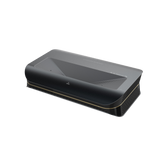
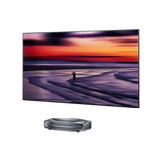
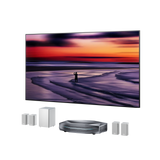
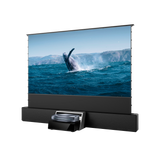
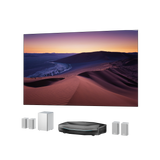
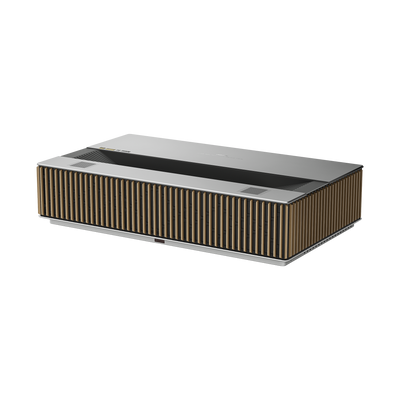
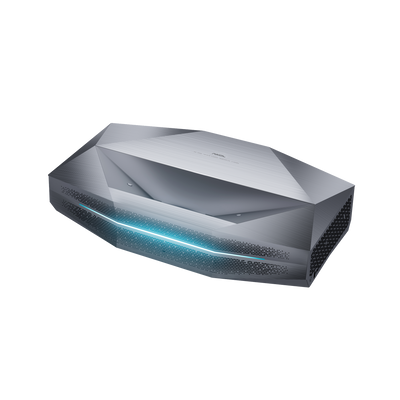
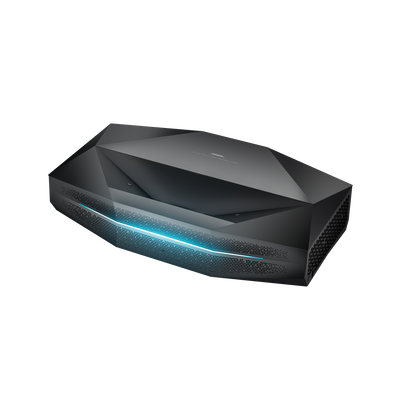
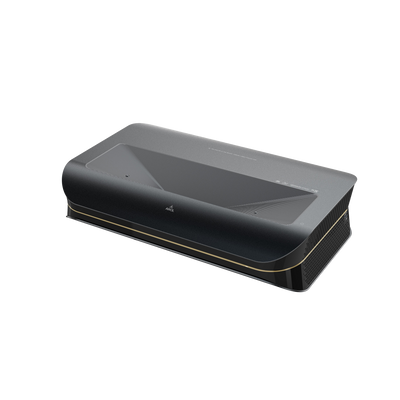
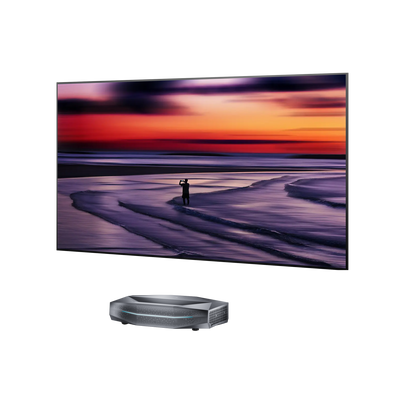
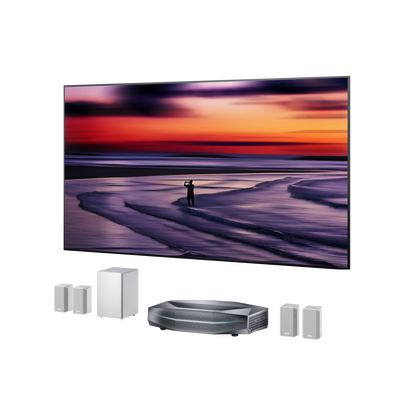
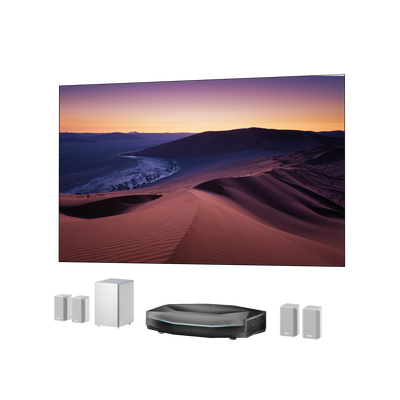
- Ultra-Short Throw (UST): Can project a massive 100-inch to 150-inch image from just inches away from the wall. For instance, next-generation devices like the AWOL Vision Aetherion feature a staggering 0.2:1 throw ratio, meaning it sits practically flush against the wall it projects onto.
Want the full technical breakdown? Check out our deep dive into the exact differences between standard, short, and ultra-short throw distances.
Why Ultra-Short Throw (UST) is the Modern Standard

When people ask, "are ultra short throw projectors better?" they are usually looking at the physical constraints of their room. Premium USTs solve almost every logistical headache associated with traditional home theaters.
Zero Shadows and Interruption-Free Viewing
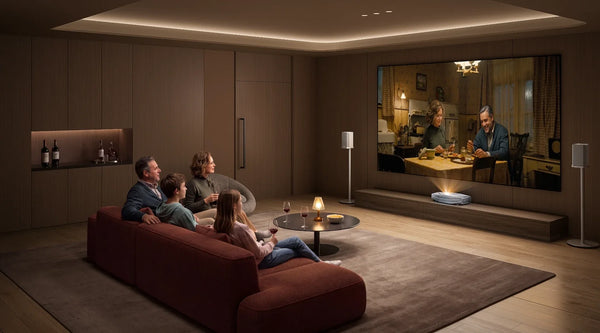
Because traditional projectors sit behind the audience, anyone getting up for a snack or a bathroom break instantly casts a giant shadow across the screen. By positioning a UST projector at the very front of the room, the light path is completely uninterrupted.
No Ceiling Mounts or HDMI Nightmares
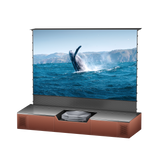
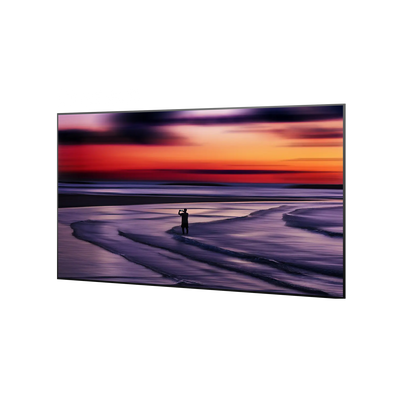
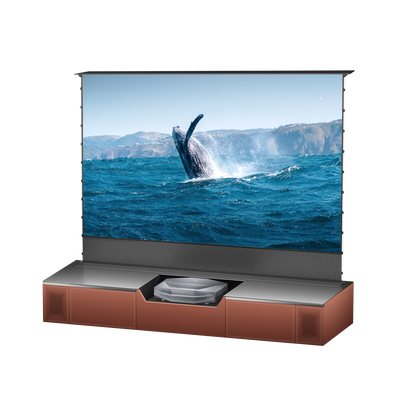
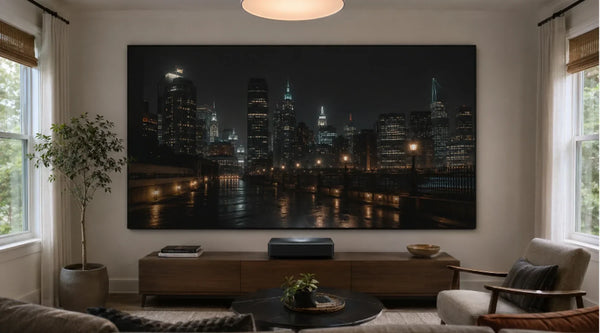
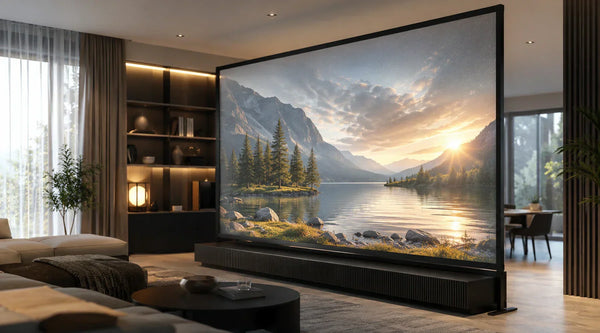
Mounting a heavy device to your ceiling and fishing cables through the walls requires tools, time, and sometimes a contractor. UST projectors eliminate this entirely. They sit on a standard media console exactly where your TV would go. This plug-and-play nature makes them a true, complete TV replacement. You plug it in, connect your streaming device or console, and you immediately have a 120-inch screen.
Furthermore, the color accuracy and brightness of Triple Laser technology—the light source used in top-tier modern USTs—means you no longer need a pitch-black, windowless basement to, and you can enjoy vivid and realistic cinematic visuals in an environment of bright and inviting spaces!
Are Short Throw Projectors Better for Gaming?

Historically, gamers avoided projectors because of high input lag (the delay between pressing a button on your controller and the action happening on screen).
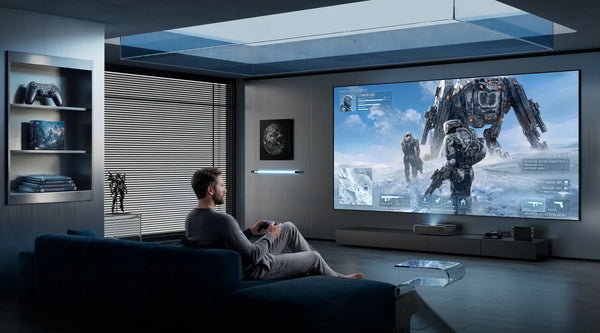
Today, that narrative has completely flipped. Modern premium USTs are engineered with gaming in mind. If you are playing fast-paced shooters or competitive sports games, you no longer have to sacrifice speed for screen size. Devices equipped with modern chipsets now support advanced gaming features like Variable Refresh Rate (VRR), Auto Low Latency Mode (ALLM), and can even achieve 1ms input lag for fast-paced, cinematic gaming. For gamers, a high-end UST projector is undeniably better than a traditional long-throw model.
What is the Downside of a Short Throw Projector?
If you are researching this topic, you have likely seen this common question pop up. The primary "downside" of a short throw or UST projector isn't the device itself, but the surface it projects onto.
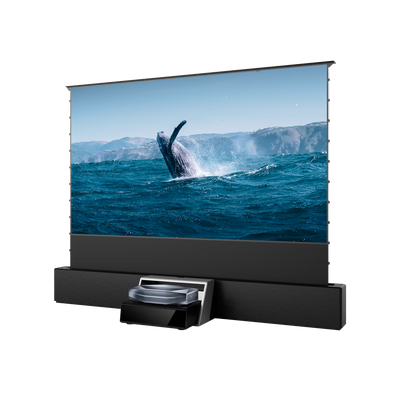
Because the light shoots up from a very steep angle at the bottom of the wall, any tiny bump, texture, or wave in the surface will create a massive shadow and distort the image. You cannot project a UST onto a cheap pull-down screen or a textured living room wall.
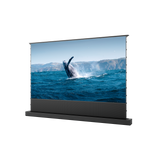
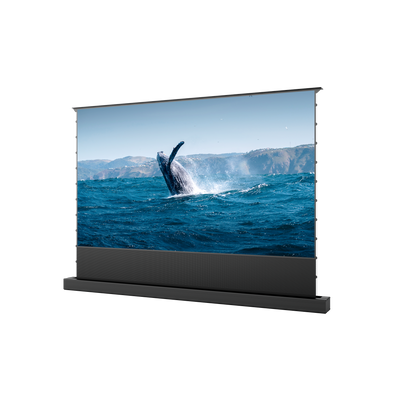
To get the crisp, 4K Dolby Vision quality you paid for, pairing your UST with an ALR/CLR screen (Ambient Light Rejecting / Ceiling Light Rejecting) is a requirement, not an option. These screens are specifically engineered to reflect the projector's light directly to your eyes while absorbing overhead room lighting. While this adds to the upfront cost, it is the secret ingredient that allows a UST projector to look as bright and punchy as an OLED TV in the middle of the day.
The Verdict: Which Projector is Better for You?
So, are short throw projectors better? It all comes down to your space, your budget, and your viewing habits. Here is a quick breakdown to help you decide.
|
Feature |
Standard / Long Throw |
Ultra-Short Throw (UST) |
Which is Better? |
|
Room Placement |
Ceiling mount behind seating |
Media console in front of seating |
UST (Easier setup, no mounting) |
|
Shadows & Glare |
High risk of shadows from people |
Zero risk of shadows |
UST (Uninterrupted viewing) |
|
Daylight Viewing |
Requires dark room |
Excellent with an ALR screen |
UST (TV-level brightness) |
|
Screen Requirement |
Forgiving (Standard matte screens work) |
Requires specialized ALR/CLR flat screen |
Standard (Lower screen cost) |
|
Gaming Performance |
Varies widely |
Elite (Support for 1ms lag, VRR, ALLM) |
UST (No lag, cinematic immersion) |
Choose a Traditional Long Throw If...
- You have a dedicated, windowless basement or theater room.
- Your room is already pre-wired for a ceiling mount and rear audio.
- You are on a tighter budget and want to project onto a standard, inexpensive white screen.
Choose an Ultra-Short Throw (UST) If...
- You want to replace your living room TV with a massive 100-inch to 150-inch screen.
- You don't want to deal with ceiling mounts, running cables, or casting shadows.
- You are a gamer who demands instant response times alongside cinematic visuals.
- You want the absolute best in modern home theater technology, featuring pristine RGB Pure Triple Laser lighting and Dolby Vision.
Elevate Your Space with a 4K Laser Projector
Ultimately, the projector world has shifted. You no longer have to compromise the aesthetics of your living room just to get a massive, movie-theater experience. By eliminating the distance between the lens and the screen, UST technology puts the power of a commercial cinema right on your TV stand.
If you are ready to stop planning and start watching, explore AWOL Vision's lineup to find the 4K laser projector that will perfectly upgrade your home entertainment setup.
FAQs on Short Throw Projectors
Are short throw projectors better for small rooms?
Absolutely. The primary advantage of a short throw or Ultra-Short Throw (UST) projector is space efficiency. Because they only need a few inches to a few feet of clearance from the wall, you can achieve a massive 100-inch to 150-inch screen in rooms where a traditional long-throw projector would be mathematically impossible to install.
Do short throw projectors have better image quality than standard projectors?
The throw ratio itself does not dictate image quality, but modern UST projectors are often built as flagship devices. Because they are designed to replace living room TVs, premium models utilize advanced RGB Triple Laser light sources and native 4K resolution. When paired with an Ambient Light Rejecting (ALR) screen, the contrast, color accuracy, and brightness often rival or exceed standard projectors in everyday lighting conditions.
Are short throw projectors better for your eyes than traditional TVs?
Yes. Traditional LED and OLED TVs emit light directly into your eyes, which can lead to fatigue and blue light strain over time. Projectors, including short throw and UST models, display images via reflected light off a screen. This indirect lighting is significantly gentler on the eyes, making them a much better option for long movie marathons or extended gaming sessions.
Are short throw projectors worth the higher price tag?
For users looking to upgrade a shared living space, the investment is highly justified. The higher cost accounts for the incredibly complex lens geometry required to project a massive image from such a short distance without distortion. When you factor in the money saved by avoiding professional ceiling mount installations, hiding in-wall cables, and the ability to replace a large TV entirely, a UST projector offers unparalleled value and convenience.
Be the First to Know
Subscribe for special deals, news, and important product information, and get your exclusive $100 discount.
Related Articles
Upgrade Your UST Setup: Is AWOL LuxVision Right for Your Room?
Black Projector Screen: Is It Right for Your Room?
WiFi Projector Buying Guide: Features That Actually Matter
How to Create a Modern Living Room with an Ultra Short Throw Projector Cabinet?
Rear Projection Screen Guide: Best Materials Options